
In this article · 4 sections
Soy-based foods, including soya paneer, have garnered attention in scientific research for their potential role in reducing the risk of certain cancers. This exploration delves into the mechanisms, findings, and common concerns associated with soy consumption.
#Mechanisms of Action
Soy foods contain several bioactive compounds that may contribute to their cancer-preventive properties:
- Isoflavones: These phytoestrogens, particularly genistein and daidzein, have been shown to exhibit antioxidant properties and may influence hormone metabolism.
- Protein: The high-quality protein in soy may support immune function and overall health.
- Fiber: Soy foods are rich in dietary fiber, which is associated with a lower risk of colorectal cancer.
- Antioxidants: Soy contains compounds that can help neutralize free radicals, reducing oxidative stress and cellular damage.
#Research Findings
Several studies have investigated the relationship between soy consumption and cancer risk:
- Breast Cancer: Epidemiological studies suggest that higher soy intake is associated with a reduced risk of breast cancer, particularly in premenopausal women. The protective effect may be more pronounced when soy is consumed during adolescence.
- Prostate Cancer: Laboratory and population research suggests that soy isoflavones may help lower the risk of prostate cancer by inhibiting cancer cell growth and promoting apoptosis in cancerous cells.
- Colorectal Cancer: Studies have shown that soy consumption may be linked to a lower risk of colorectal cancer, potentially due to its fiber content and beneficial effects on gut health.
- Lung Cancer: Some research suggests that soy intake may be associated with a reduced risk of lung cancer, particularly among non-smokers.
#Common Concerns
Despite the potential benefits, there are several common concerns regarding soy consumption:
- Hormonal Effects: Due to the phytoestrogen content, there are concerns that soy may affect hormone levels. However, research indicates that moderate soy consumption is safe for most people — the American Institute for Cancer Research considers 1–2 servings of soy foods a day safe, including for breast cancer survivors.
- Thyroid Function: Some studies suggest that high soy intake may interfere with thyroid function, particularly in individuals with existing thyroid conditions. Moderation is key, and those with thyroid issues should consult a healthcare provider.
- Allergic Reactions: Soy is a common allergen. Individuals with soy allergies should avoid soy products.
- Genetically Modified Organisms (GMOs): Many soy products are derived from genetically modified soybeans. Consumers concerned about GMOs should seek non-GMO certified products.
#Thoughts
Scientific research indicates that soy-based foods, including soya paneer, may play a beneficial role in reducing the risk of certain cancers due to their rich content of isoflavones, fiber, and antioxidants. While there are common concerns regarding soy consumption, moderate intake is generally considered safe and may offer health benefits. As always, individuals should consult healthcare professionals regarding dietary choices, especially in the context of specific health conditions.
#Note:
It's important to consult with a healthcare professional before making significant dietary changes, especially if you have a history of cancer or are undergoing treatment.

Written by
Soya Bright Team
The team behind Soya Bright at GenHybrid Solutions Pvt Ltd, makers of soya paneer, soy milk and okara in Sangamner, Maharashtra. We check our articles against published research and update them when the evidence changes.
Soya Bright
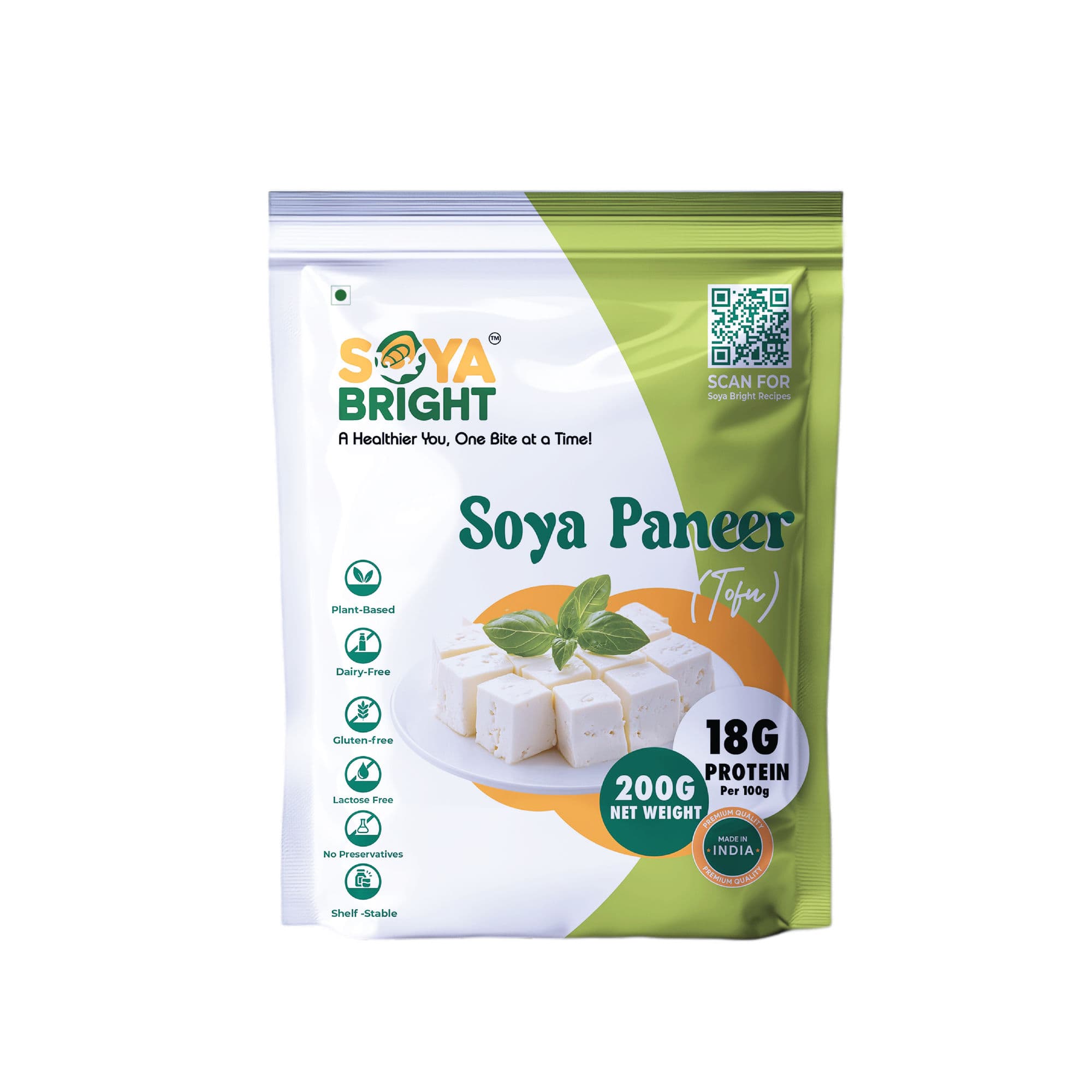
Put this into practice with Soya Bright
Shelf-stable Soya Bright soya paneer (tofu) and soy milk — 18g protein per 100g of tofu, dairy-free, no preservatives, and no fridge needed until opened. Tofu lasts 11 months unopened below 25°C.