
In this article · 4 sections
Polycystic Ovary Syndrome (PCOS) is one of the most common hormonal conditions in women of reproductive age. There is no single "PCOS diet", but what you eat can make a real difference to symptoms like weight gain, irregular periods and blood sugar swings. Soya paneer is one food that fits well into a PCOS-friendly diet.
#Soya Paneer and PCOS Symptoms: Understanding the Connection
#1. Insulin Resistance
Soya paneer, made from soy milk, is a good source of protein and is very low in carbohydrates, so it has minimal impact on blood sugar. This can be beneficial for individuals with PCOS, as many women with this condition experience insulin resistance. Some clinical trials in women with PCOS have found that soy isoflavones improved markers of insulin resistance, although more research is needed. Replacing refined carbohydrates with protein-rich foods like soya paneer can help reduce insulin spikes and keep blood sugar levels more stable.
#2. Hormonal Regulation
Soya paneer contains phytoestrogens (isoflavones), plant compounds that can weakly interact with estrogen receptors in the body. Some small studies suggest they may help improve hormonal markers in women with PCOS, such as testosterone levels. Evidence is still limited, so think of soya paneer as a helpful part of a balanced diet rather than a treatment.
#3. Weight Management
Weight management is a critical aspect of managing PCOS — even a modest weight loss of 5–10% can improve cycle regularity and insulin sensitivity. Soya paneer is high in protein, which promotes satiety and helps control appetite. Including protein-rich foods like soya paneer in the diet can assist in weight loss or maintenance.
#4. A Heart-Friendly Protein
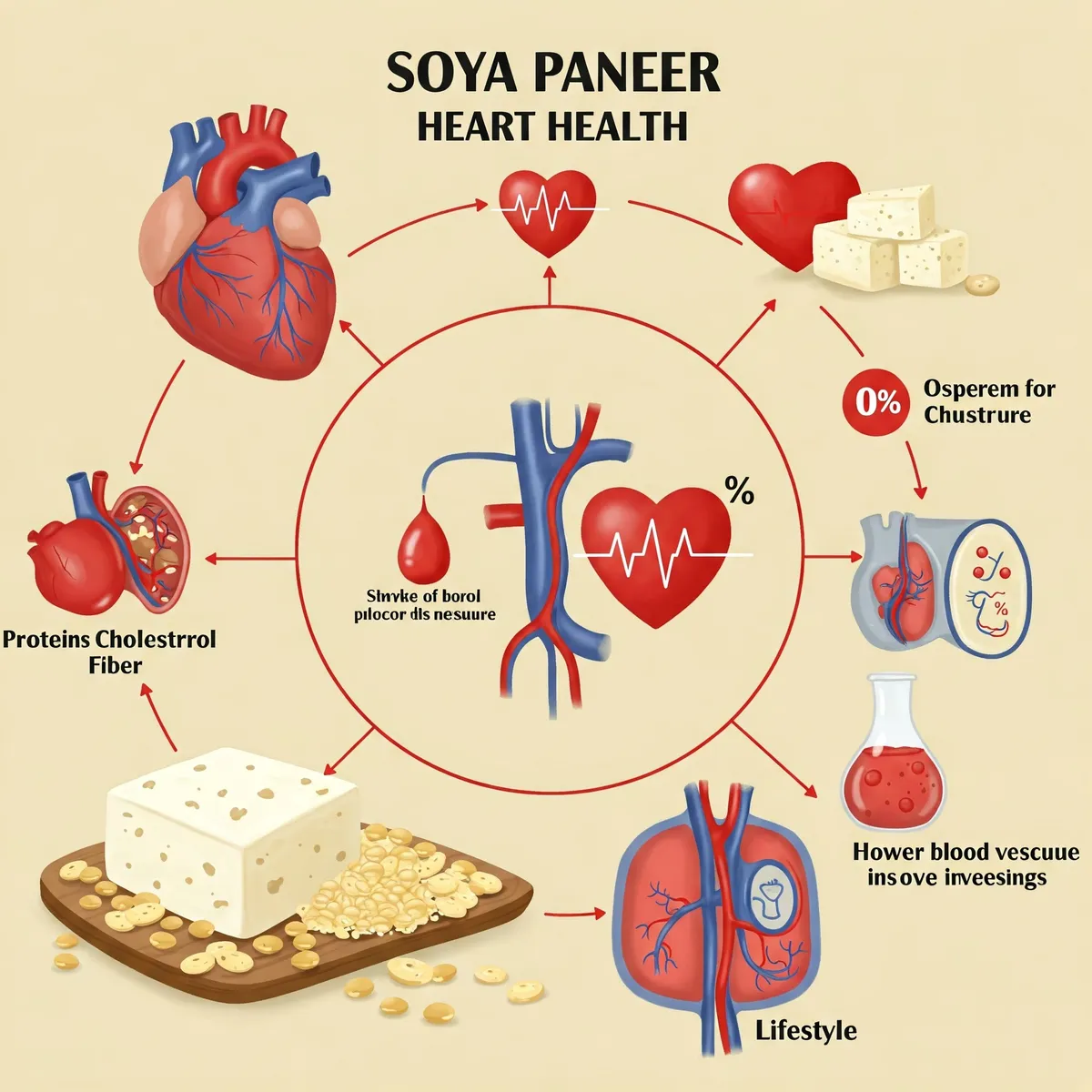
Women with PCOS have a higher risk of high cholesterol. Soya paneer is cholesterol-free and low in saturated fat, and soy protein can modestly lower LDL ("bad") cholesterol — making it a heart-friendly swap for full-fat dairy paneer.
#Dietary Recommendations for PCOS-Friendly Meals
- Breakfast: Soya paneer bhurji (scrambled) with onions, tomatoes and spinach, with a multigrain roti.
- Lunch: Quinoa or millet salad with grilled vegetables, soya paneer cubes, and a lemon-tahini dressing.
- Dinner: Stir-fried vegetables with soya paneer and brown rice or whole grain noodles.
- Snacks: Soya paneer tikka, soya paneer cubes with cucumber slices, or a handful of nuts.
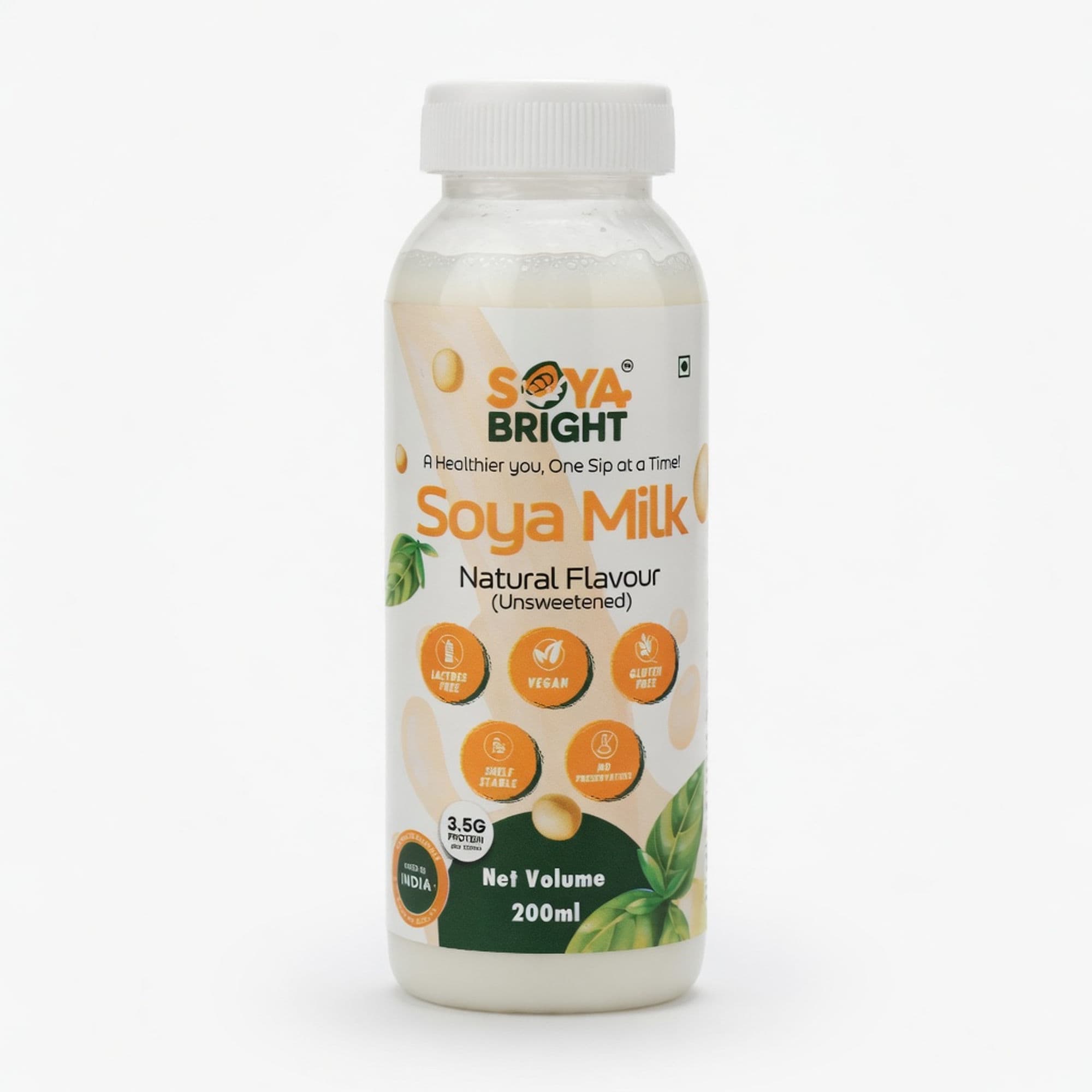
- Drink: A glass of unsweetened soya milk instead of sweetened beverages.
#Tips for Getting the Most from Soya Paneer
- Pair it with fibre: Combine soya paneer with vegetables, pulses and whole grains to slow digestion and further steady blood sugar.
- Watch the cooking method: Grill, sauté or bake rather than deep-fry.
- Keep portions sensible: About 100 g of soya paneer per meal is a good protein portion for most women.
- Choose unsweetened: If you drink soya milk, pick unsweetened varieties.
#Conclusion
Incorporating soya paneer into the diet can be beneficial for women with PCOS, particularly for managing insulin resistance and weight, and possibly for hormonal balance. Combined with regular physical activity, good sleep and a balanced diet rich in vegetables and whole grains, it can support overall health and help ease some PCOS symptoms.
Note: PCOS is a medical condition that should be managed with your doctor. Talk to your gynaecologist or a registered dietitian before making major dietary changes, especially if you take medication such as metformin or are trying to conceive.

Written by
Soya Bright Team
The team behind Soya Bright at GenHybrid Solutions Pvt Ltd, makers of soya paneer, soy milk and okara in Sangamner, Maharashtra. We check our articles against published research and update them when the evidence changes.
Soya Bright
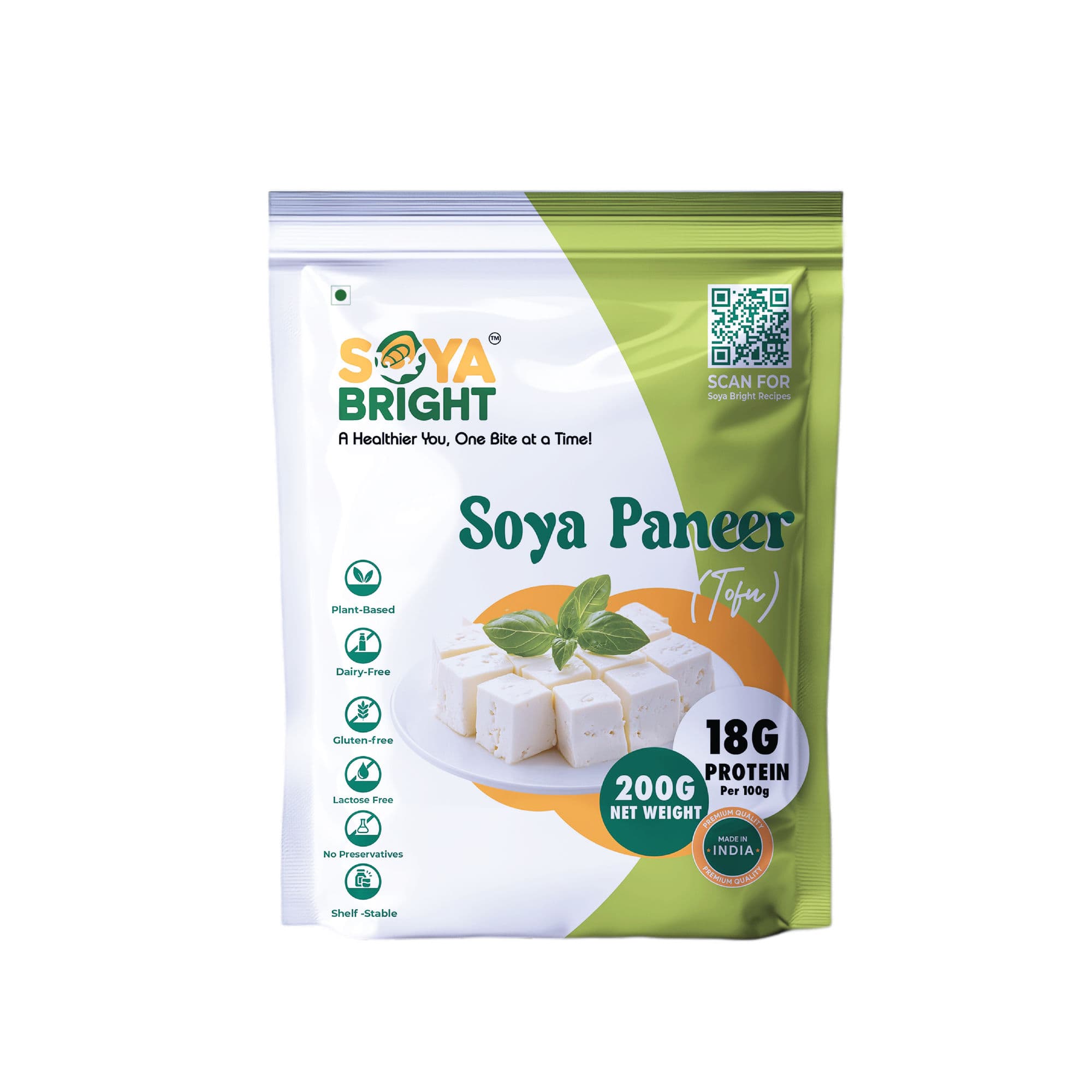
Put this into practice with Soya Bright
Shelf-stable Soya Bright soya paneer (tofu) and soy milk — 18g protein per 100g of tofu, dairy-free, no preservatives, and no fridge needed until opened. Tofu lasts 11 months unopened below 25°C.