

In this article · 5 sections
- Benefits of Soya Paneer for Heart Health
- 1. Rich in Polyunsaturated Fats
- 2. High in Protein
- 3. Contains Isoflavones
- Lowering Cholesterol Levels
- 1. Reducing LDL Cholesterol
- 2. Increasing HDL Cholesterol
- Reducing the Risk of Heart Disease
- 1. Anti-Inflammatory Properties
- 2. Blood Pressure Regulation
- Dietary Recommendations
- Conclusion
#Benefits of Soya Paneer for Heart Health
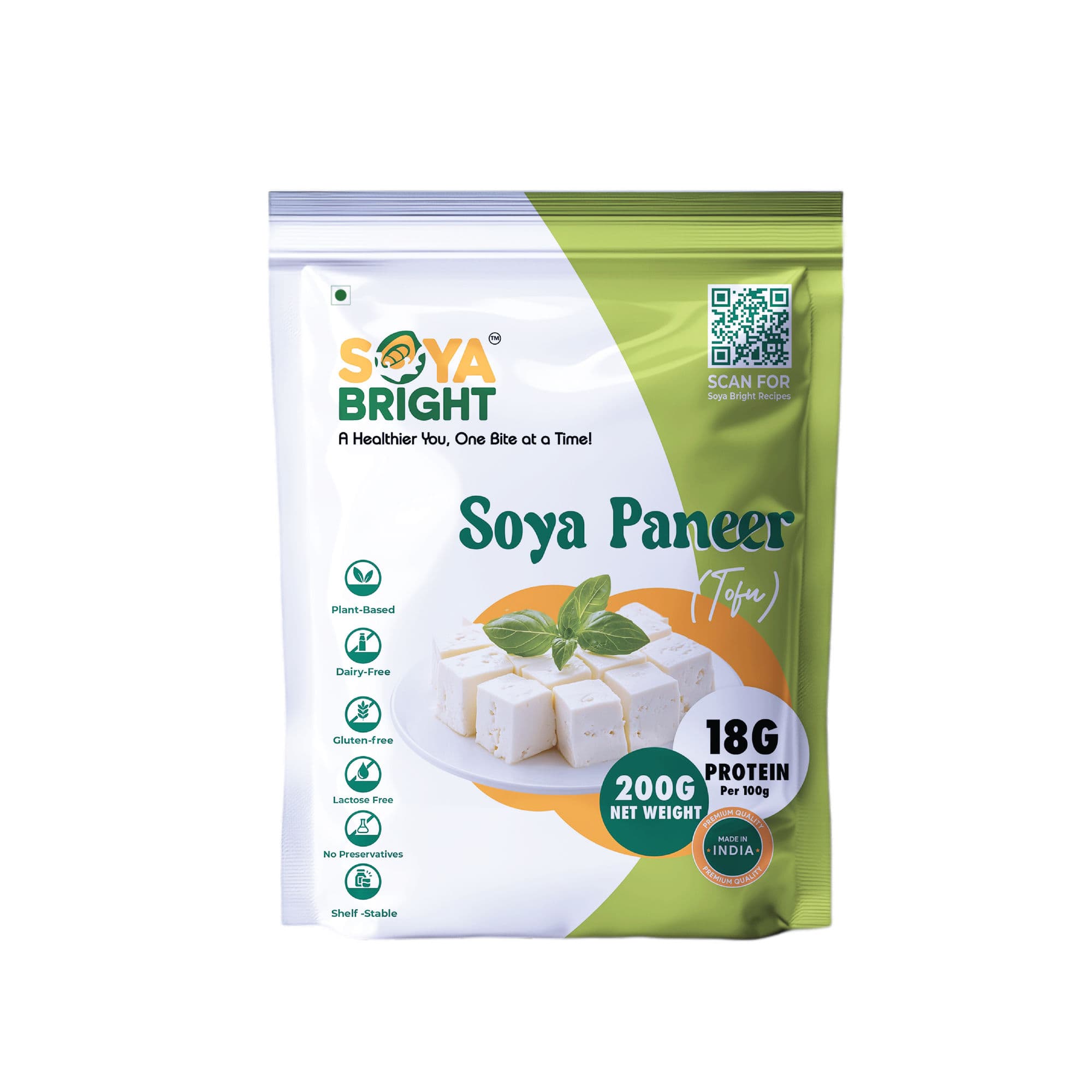
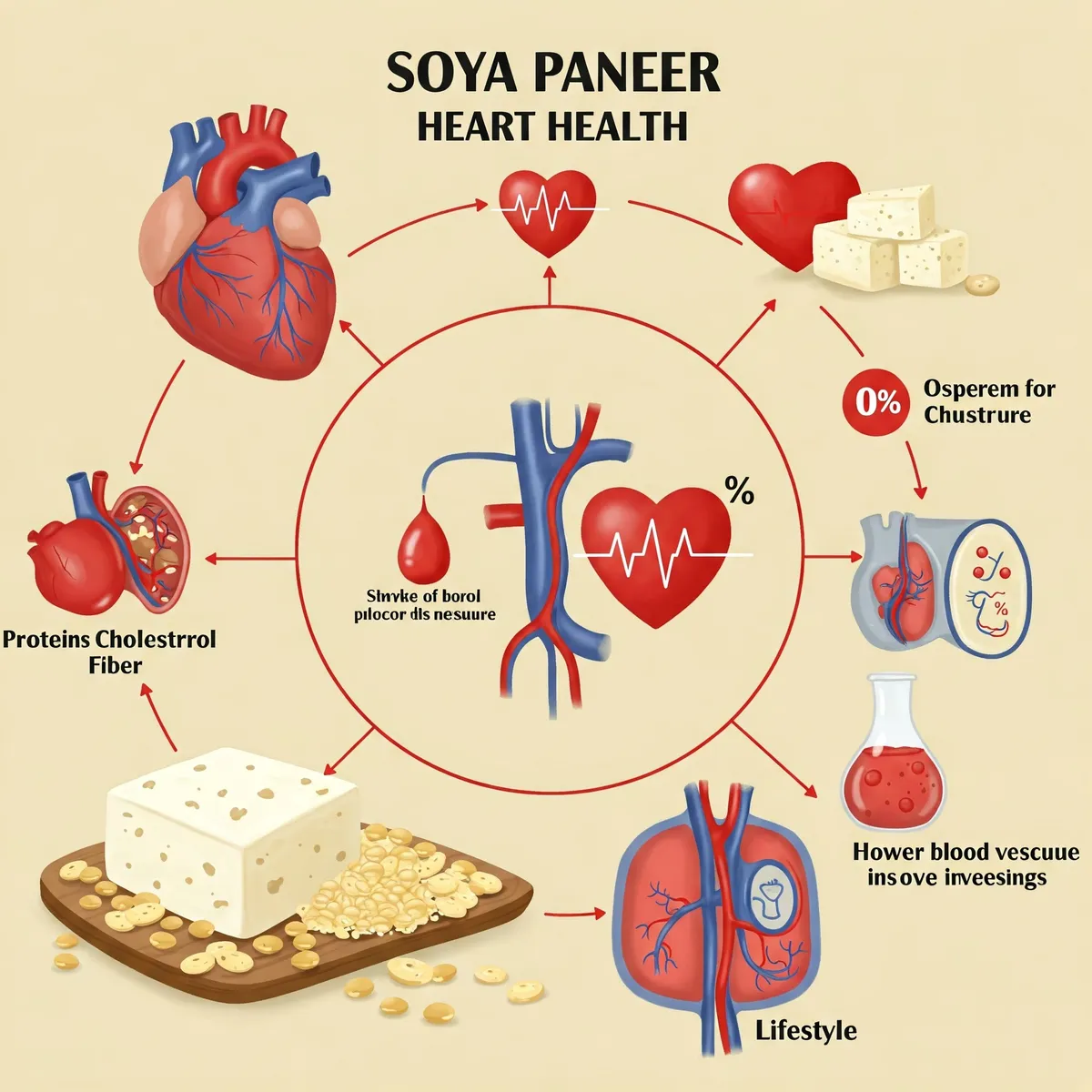
Soya paneer, also known as tofu, is derived from soybeans and is rich in nutrients that contribute to heart health. Here are some of the key benefits:
#1. Rich in Polyunsaturated Fats
Soya paneer contains healthy fats, particularly polyunsaturated fatty acids (PUFAs), which are known to improve heart health. According to nutritionists, replacing saturated fats with PUFAs can help lower bad cholesterol levels.
#2. High in Protein
Soya paneer is an excellent source of plant-based protein, which can help maintain a healthy weight. Maintaining a healthy weight is crucial for reducing the risk of heart disease.
#3. Contains Isoflavones
Isoflavones are compounds found in soy products that have been shown to have heart-protective effects. They can help lower cholesterol levels and improve arterial health. Some research suggests they may also improve endothelial function — how well blood vessels relax — which is important for heart health.
#Lowering Cholesterol Levels
Soya paneer has been associated with improved cholesterol profiles. Here’s how it helps:
#1. Reducing LDL Cholesterol
Research indicates that regular consumption of soy products can lead to a reduction in low-density lipoprotein (LDL) cholesterol, often referred to as "bad" cholesterol. Meta-analyses of clinical trials show that eating about 25 grams of soy protein a day lowers LDL cholesterol modestly, by roughly 3–5%.
#2. Increasing HDL Cholesterol
Soya paneer may also help slightly increase high-density lipoprotein (HDL) cholesterol, or "good" cholesterol, which helps carry cholesterol away from the arteries — although the evidence for HDL is weaker than for LDL.
#Reducing the Risk of Heart Disease
Incorporating soya paneer into a balanced diet may contribute to a lower risk of heart disease:
#1. Anti-Inflammatory Properties
Soya paneer contains antioxidants and anti-inflammatory compounds that can reduce inflammation in the body, a key factor in the development of heart disease.
#2. Blood Pressure Regulation
Regular consumption of soy products, including soya paneer, may help in regulating blood pressure. Some meta-analyses have linked soy intake with small reductions in blood pressure, particularly in people with high blood pressure.
#Dietary Recommendations
To maximize the heart health benefits of soya paneer, consider the following dietary recommendations:
- Include soya paneer in salads, stir-fries, and soups.
- Pair it with whole grains and vegetables for a balanced meal.
- Aim for 1–2 servings of soy foods a day — for example, 100 g of soya paneer or a 240 ml glass of soya milk.
- Monitor portion sizes, as moderation is key to a balanced diet.
#Conclusion
Soya paneer offers numerous benefits for heart health, including lowering cholesterol levels and reducing the risk of heart disease. By incorporating this nutrient-rich food into a balanced diet, individuals can enhance their cardiovascular health and overall well-being.

Written by
Soya Bright Team
The team behind Soya Bright at GenHybrid Solutions Pvt Ltd, makers of soya paneer, soy milk and okara in Sangamner, Maharashtra. We check our articles against published research and update them when the evidence changes.
Soya Bright
Put this into practice with Soya Bright
Shelf-stable Soya Bright soya paneer (tofu) and soy milk — 18g protein per 100g of tofu, dairy-free, no preservatives, and no fridge needed until opened. Tofu lasts 11 months unopened below 25°C.