
In this article · 4 sections
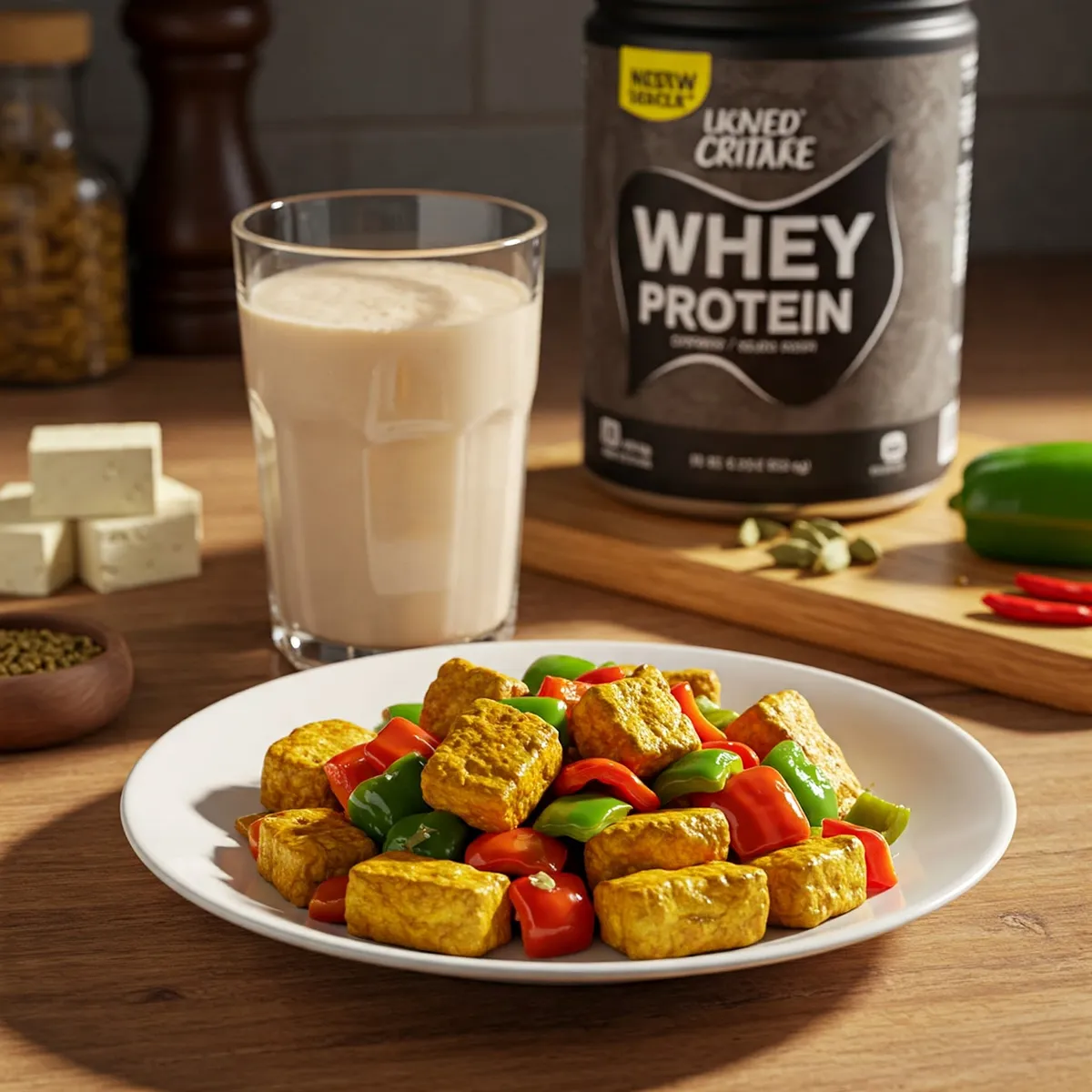
For fitness enthusiasts, protein is a cornerstone of muscle recovery and growth. While protein powders have gained immense popularity for their convenience, whole food sources like soya paneer offer significant advantages that can enhance your overall health and fitness journey. In this blog, we will compare soya paneer and protein powders, highlighting why whole food protein is better, how it aids muscle recovery, and when it can replace processed supplements.
#Why Whole Food Protein is Better
- Nutrient Density: Whole foods like soya paneer are packed with essential nutrients, including vitamins, minerals, and healthy fats, which are often absent in protein powders. These nutrients play a crucial role in overall health and well-being.
- Steady Digestion: Protein powders are absorbed quickly, while whole foods like soya paneer digest more slowly, giving a steadier release of amino acids and keeping you full for longer.
- Satiety: Whole food proteins like soya paneer provide a feeling of fullness, which can help control appetite and prevent overeating, making it easier to maintain a healthy diet.
#Muscle Recovery Benefits
- Complete Amino Acid Profile: Soya paneer is a complete protein, containing all nine essential amino acids necessary for muscle repair and growth. This is crucial for recovery after intense workouts.
- Natural Anti-Inflammatory Properties: Whole foods often contain antioxidants and anti-inflammatory compounds that can help reduce muscle soreness and inflammation post-exercise, promoting faster recovery.
#Replacing Processed Supplements
- Fewer Additives: Many flavoured protein powders contain added sweeteners, flavourings and thickeners. Soya paneer is a minimally processed whole food made from soybeans, water and a coagulant.
- Cost-Effective: Incorporating whole foods like soya paneer into your diet can be more economical in the long run compared to regularly purchasing protein powders.
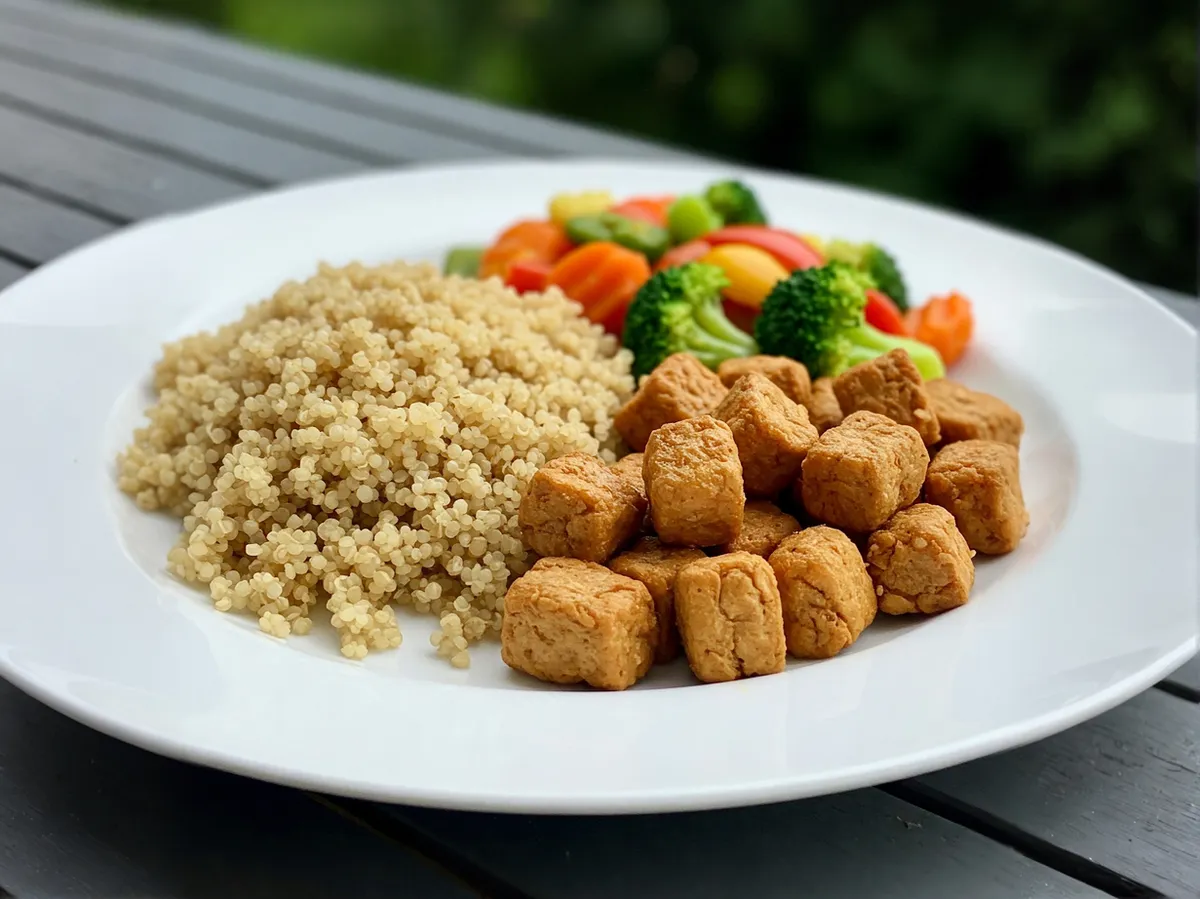
- Versatility: Soya paneer can be used in a variety of dishes, from stir-fries to salads, making it a versatile addition to your meals, while protein powders often have limited applications.
#Conclusion
While protein powders offer convenience, they often lack the comprehensive benefits that whole food sources like soya paneer provide. For fitness enthusiasts looking to optimize muscle recovery, enhance overall health, and rely less on supplements, soya paneer stands out as a superior everyday choice. Protein powder can still be handy when you need convenience on the go. By prioritizing whole food protein, you not only support your fitness goals but also nourish your body with essential nutrients that promote long-term well-being.

Written by
Soya Bright Team
The team behind Soya Bright at GenHybrid Solutions Pvt Ltd, makers of soya paneer, soy milk and okara in Sangamner, Maharashtra. We check our articles against published research and update them when the evidence changes.
Soya Bright
Put this into practice with Soya Bright
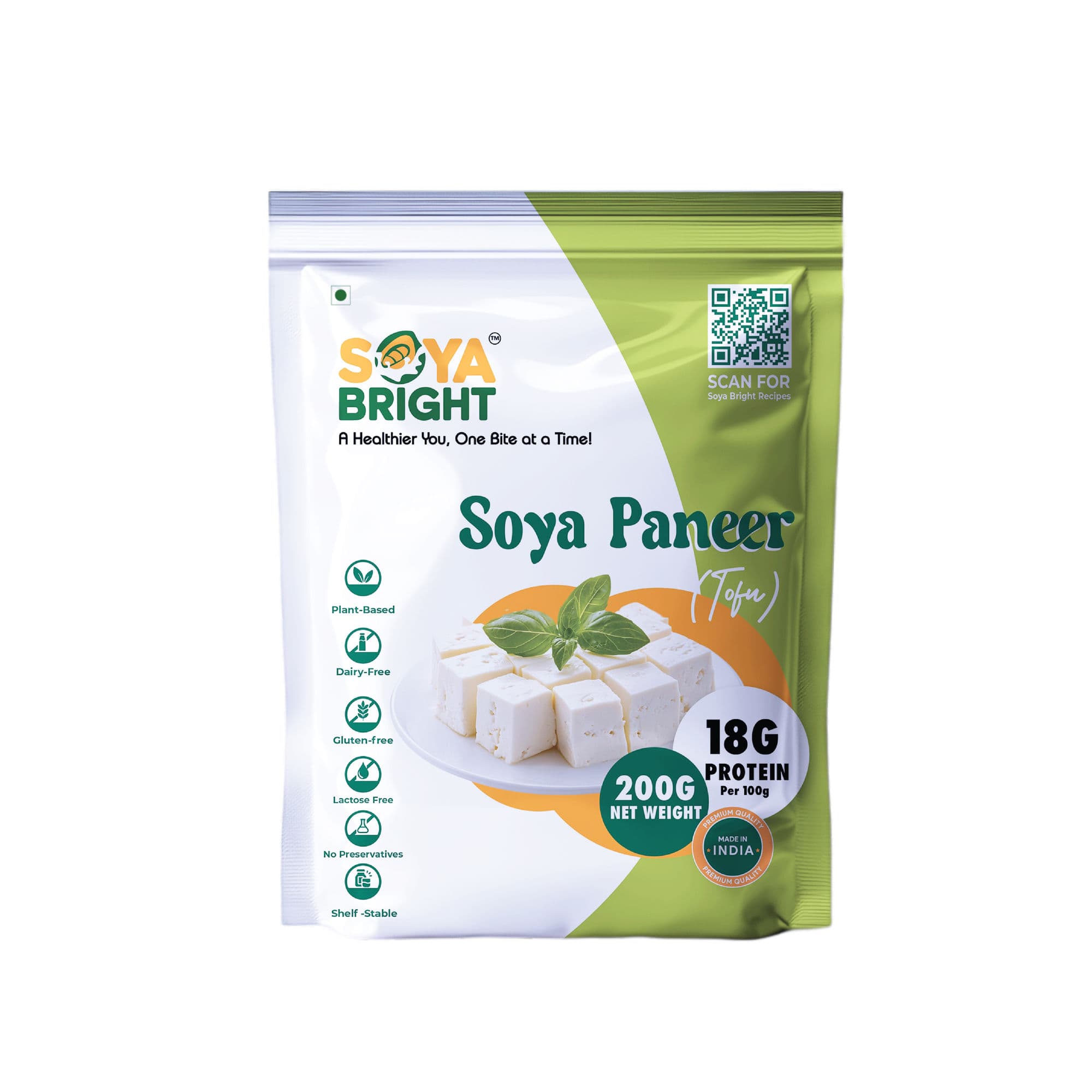
Shelf-stable Soya Bright soya paneer (tofu) and soy milk — 18g protein per 100g of tofu, dairy-free, no preservatives, and no fridge needed until opened. Tofu lasts 11 months unopened below 25°C.