
In this article · 5 sections
Eating enough protein is essential for staying healthy, building muscle, and feeling energized. Many people think protein only comes from meat, but there are plenty of excellent plant protein options that can meet your needs. I want to share some of the best sources of plant protein that are tasty, nutritious, and easy to include in your meals. Whether you are an athlete, a busy professional, or someone looking to eat healthier, these options will help you enjoy a balanced diet.
#Exploring Popular Plant Protein Options
Plant protein options come from a variety of foods, including legumes, grains, nuts, and seeds. Each has its unique benefits and nutritional profile. Here are some of the most popular and effective sources:
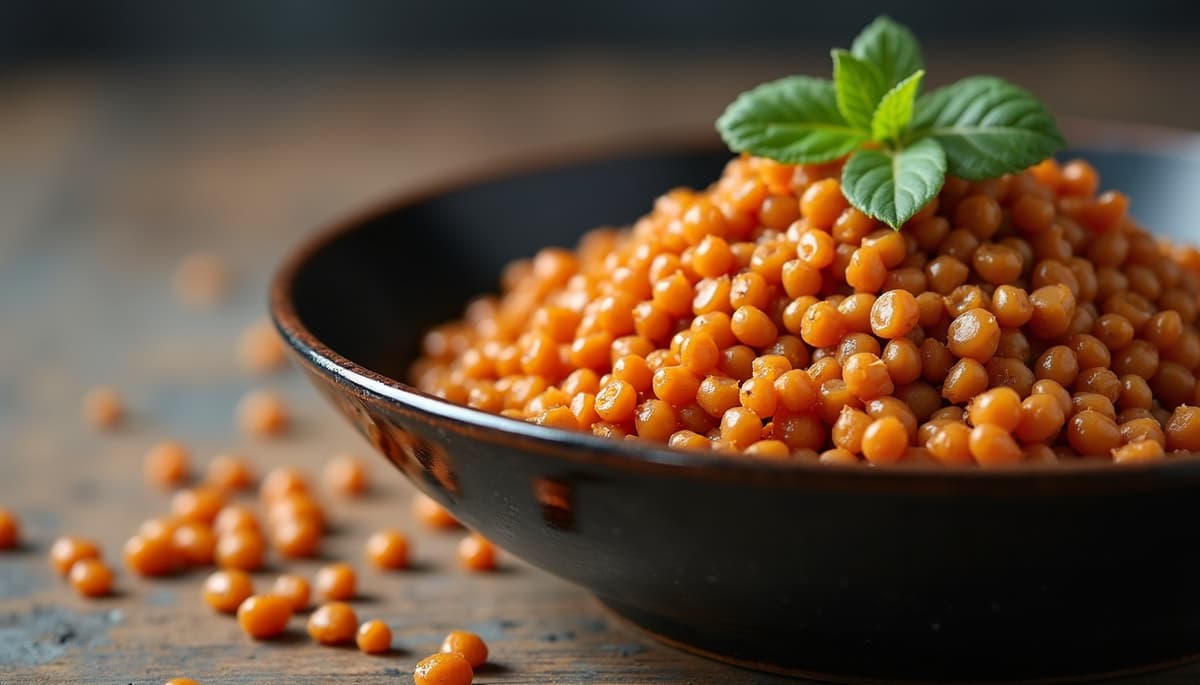
- Lentils: Lentils are a powerhouse of protein and fiber. One cup of cooked lentils provides about 18 grams of protein. They are also rich in iron and folate, making them great for overall health.
- Chickpeas: Chickpeas, or garbanzo beans, offer around 15 grams of protein per cooked cup. They are versatile and can be used in salads, stews, or made into hummus.
- Quinoa: Unlike many plant foods, quinoa is a complete protein, meaning it contains all nine essential amino acids. One cup of cooked quinoa has about 8 grams of protein.
- Tofu and Tempeh: These soy-based products are excellent sources of protein. Tofu contains about 10 grams of protein per half-cup, while tempeh offers even more, around 15 grams.
- Nuts and Seeds: Almonds, chia seeds, flaxseeds, and pumpkin seeds provide protein along with healthy fats. For example, 2 tablespoons of chia seeds have about 5 grams of protein.
Including a variety of these foods in your diet ensures you get a broad spectrum of nutrients and amino acids.
#Why Choose These Plant Protein Options?
Choosing plant protein options has many benefits beyond just protein content. They are often lower in saturated fat and cholesterol compared to animal proteins. Plus, they come packed with fiber, vitamins, and minerals that support heart health and digestion.
One of my favorite plant protein sources is soya-based products. Soya is a complete protein and can be used in many forms like soya chunks, soya milk, and tofu. It’s a versatile ingredient that fits well into many recipes. Soya also supports sustainable farming practices, which is a bonus for the environment.
Here are some reasons to include these plant protein options in your diet:
- Heart Health: Plant proteins help reduce bad cholesterol levels.
- Weight Management: High fiber content keeps you full longer.
- Sustainability: Plant proteins have a lower environmental impact.
- Versatility: Easy to cook and adapt to different cuisines.
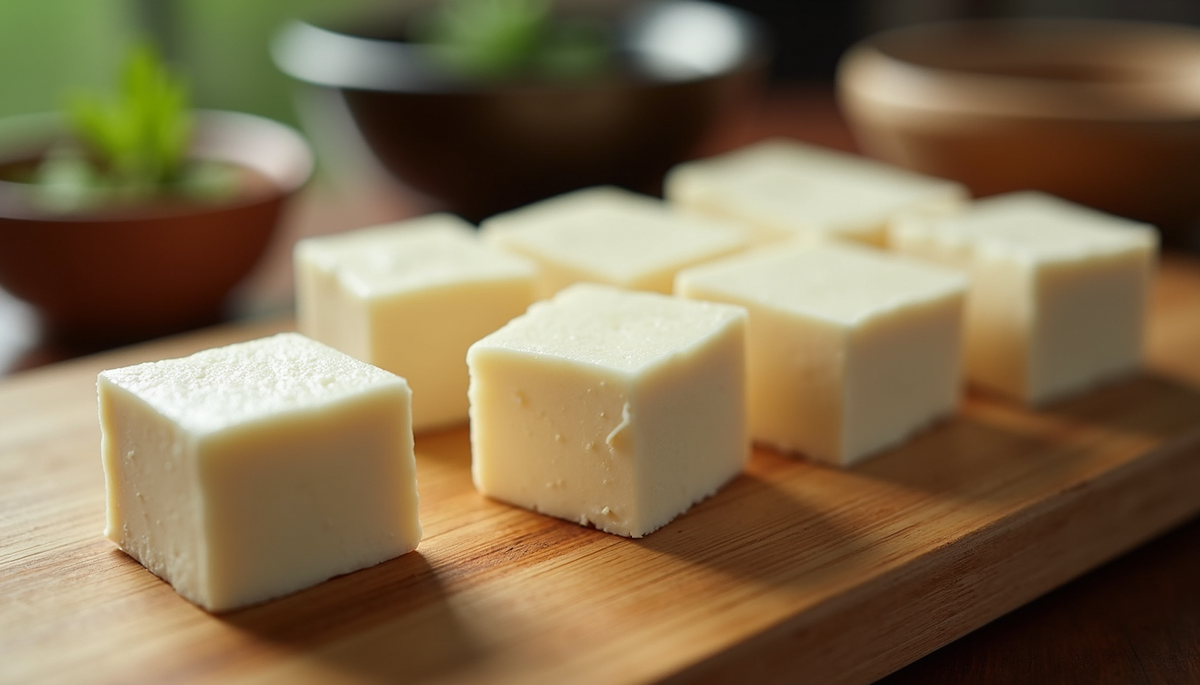
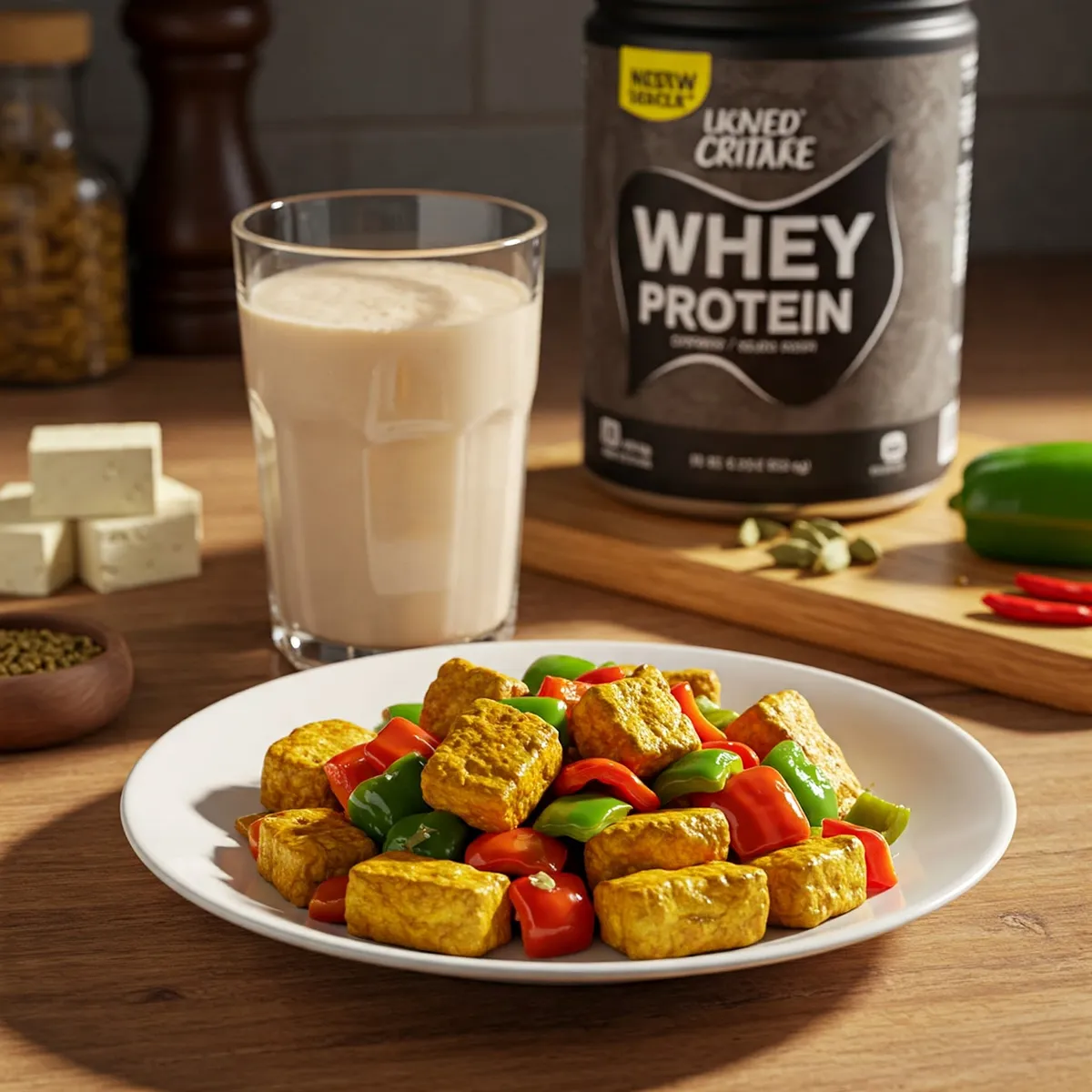
Fresh tofu cubes ready for cooking
#What Plant-Based Meals Are High in Protein?
Knowing which meals pack a protein punch can make it easier to plan your diet. Here are some delicious, high-protein plant-based meals you can try:
- Lentil and Vegetable Stew A hearty stew with lentils, carrots, tomatoes, and spinach. This meal provides protein, fiber, and a range of vitamins.
- Quinoa Salad with Chickpeas and Avocado Combine cooked quinoa, chickpeas, diced avocado, cherry tomatoes, and a lemon dressing. It’s refreshing and protein-rich.
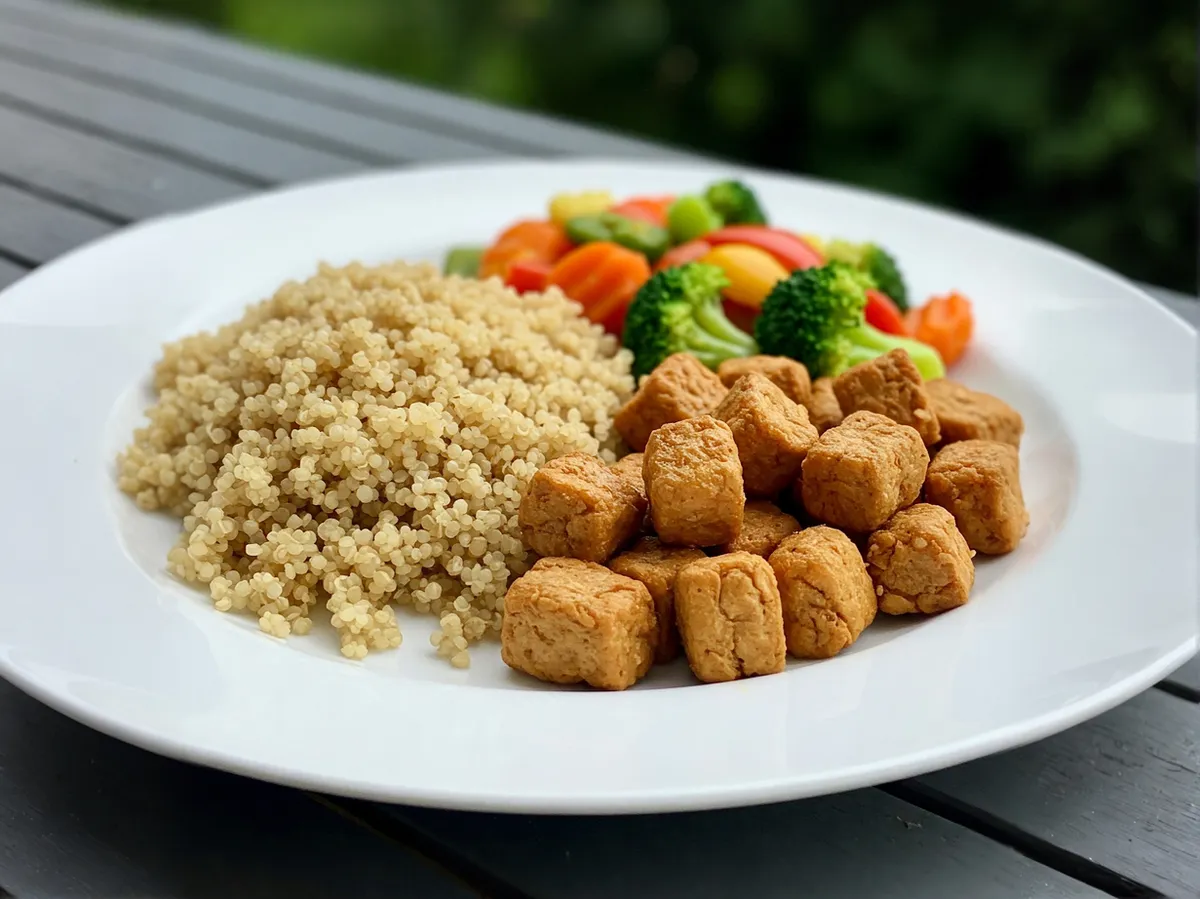
- Stir-Fried Tempeh with Broccoli and Bell Peppers Tempeh is marinated and stir-fried with colorful vegetables. Serve over brown rice for a complete meal.
- Chia Seed Pudding with Almond Milk and Berries Soak chia seeds overnight in almond milk and top with fresh berries. This is a great protein-packed breakfast or snack.
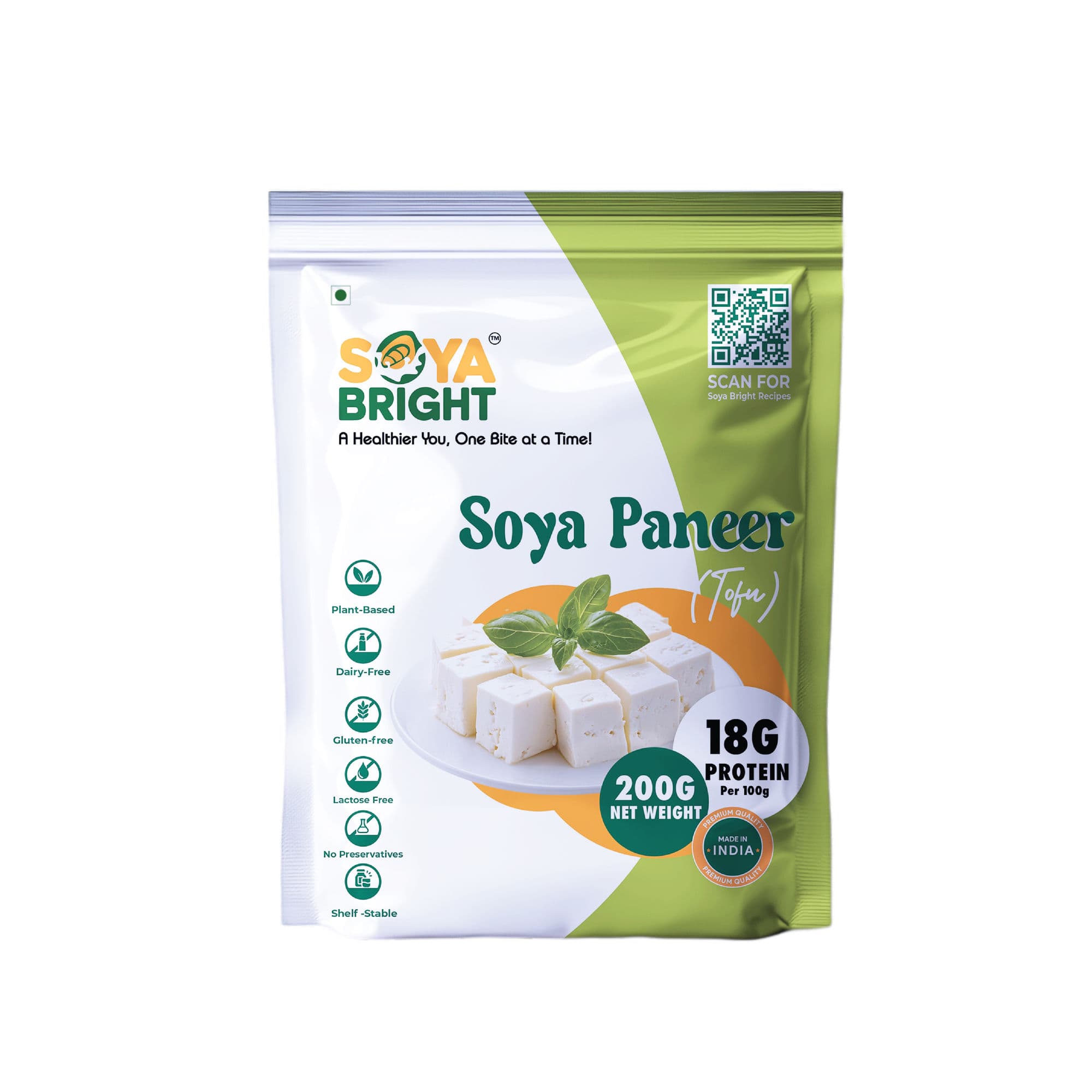
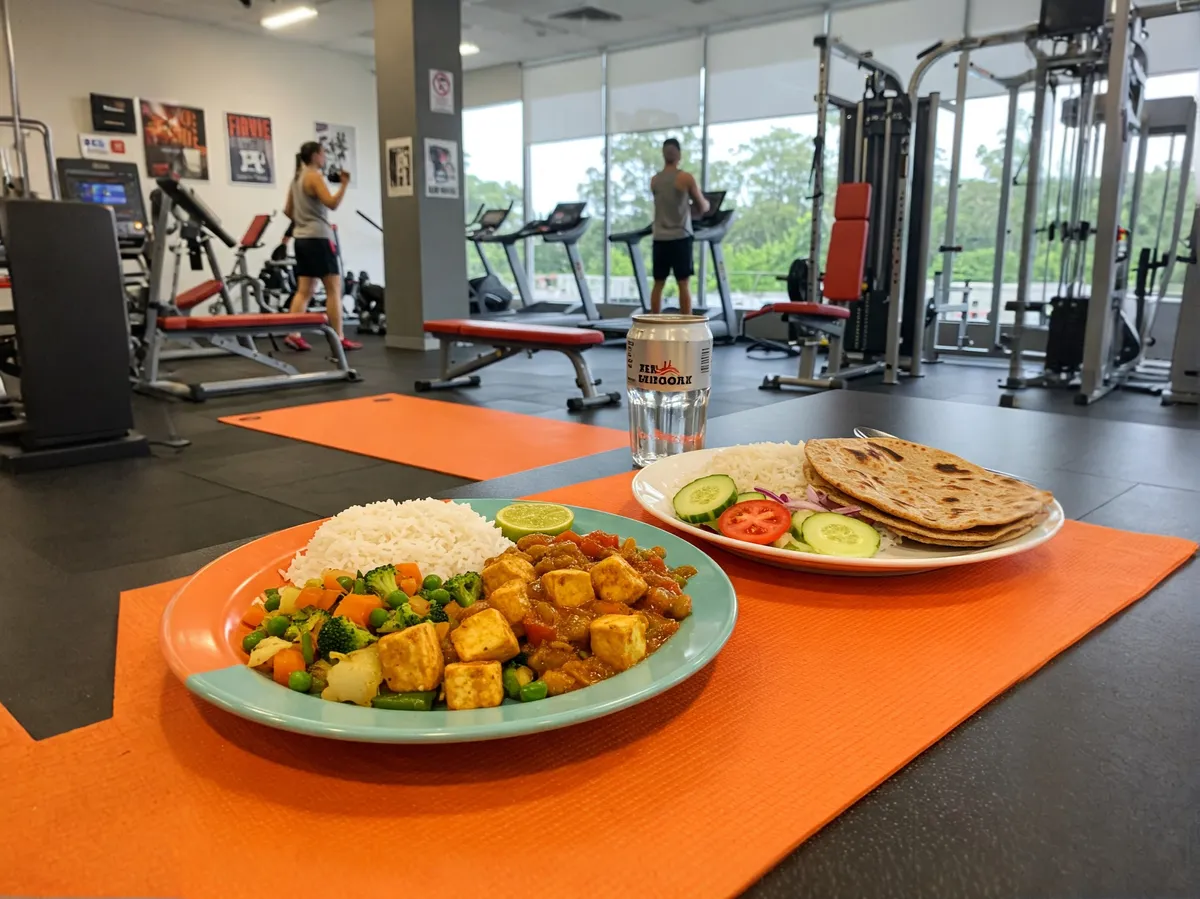
- Soya Bright Curry Using Soya Bright soya paneer, you can make a flavorful curry rich in protein and spices.
These meals are easy to prepare and perfect for anyone looking to boost their protein intake without animal products.
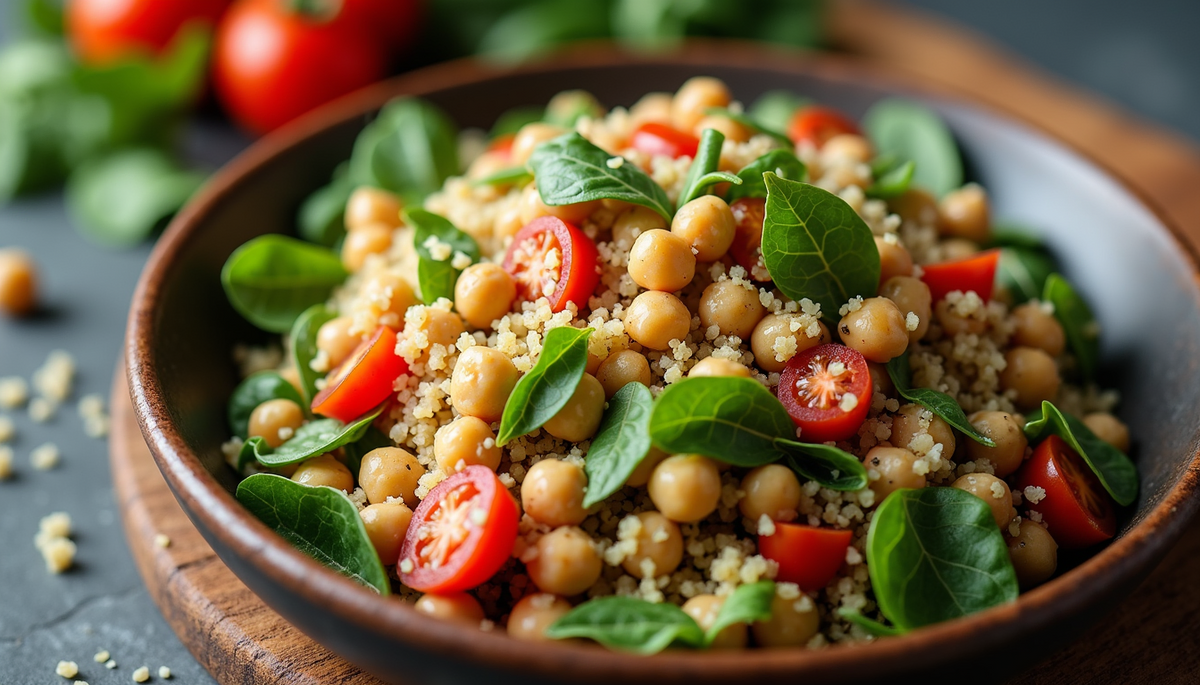
Protein-rich quinoa salad with chickpeas and fresh vegetables
#Tips for Maximizing Protein Intake from Plants
Getting enough protein from plants is simple when you follow a few practical tips:
- Combine Different Sources: Mix legumes with grains (like rice and beans) to get all essential amino acids.
- Snack Smart: Keep nuts, seeds, or roasted chickpeas handy for quick protein boosts.
- Cook in Bulk: Prepare large batches of lentils, quinoa, or soya chunks to save time.
- Use Protein Powders: Plant-based protein powders made from peas, rice, or soy can supplement your diet.
- Read Labels: When buying packaged plant proteins, check for added sugars or unhealthy fats.
By planning your meals and snacks thoughtfully, you can easily meet your daily protein needs.
#Embracing Plant Protein for a Healthier Lifestyle
Switching to plant protein options can feel like a big change, but it’s a rewarding one. You’ll notice improvements in energy, digestion, and overall wellness. Plus, you’ll be supporting a more sustainable food system.
I encourage you to explore the variety of plant proteins available. Start by adding one or two new foods each week. Experiment with recipes and find what you enjoy most. Remember, every small step counts toward a healthier you.
If you want to try a reliable and premium plant-based protein source, consider Genhybrid’s soya products. They offer quality, taste, and nutrition that fit perfectly into a modern, health-conscious lifestyle.
Enjoy the journey of discovering plant protein options that fuel your body and delight your taste buds!

Written by
Soya Bright Team
The team behind Soya Bright at GenHybrid Solutions Pvt Ltd, makers of soya paneer, soy milk and okara in Sangamner, Maharashtra. We check our articles against published research and update them when the evidence changes.
Soya Bright
Put this into practice with Soya Bright
Shelf-stable Soya Bright soya paneer (tofu) and soy milk — 18g protein per 100g of tofu, dairy-free, no preservatives, and no fridge needed until opened. Tofu lasts 11 months unopened below 25°C.