

In this article · 9 sections
#1. Muscle Recovery
Soya paneer, made from soy milk, is rich in protein, which is essential for muscle recovery after intense workouts. Protein supplies the amino acids your body uses to repair muscle fibres damaged during exercise. Eating soya paneer in your post-workout meal helps replenish amino acids and supports recovery.
#2. Amino Acid Profile
Soya paneer contains all nine essential amino acids that the body cannot make on its own, making it a complete protein — one of very few plant foods that are. Soy protein scores highly on protein-quality measures (PDCAAS of about 0.9–1.0), close to animal proteins. It also provides branched-chain amino acids (BCAAs), including leucine, which switches on muscle protein synthesis.
Research reviews comparing soy and animal protein have found that soy supports similar gains in muscle mass and strength with resistance training, as long as total daily protein intake is adequate.
#3. Digestion Compared to Whey Protein
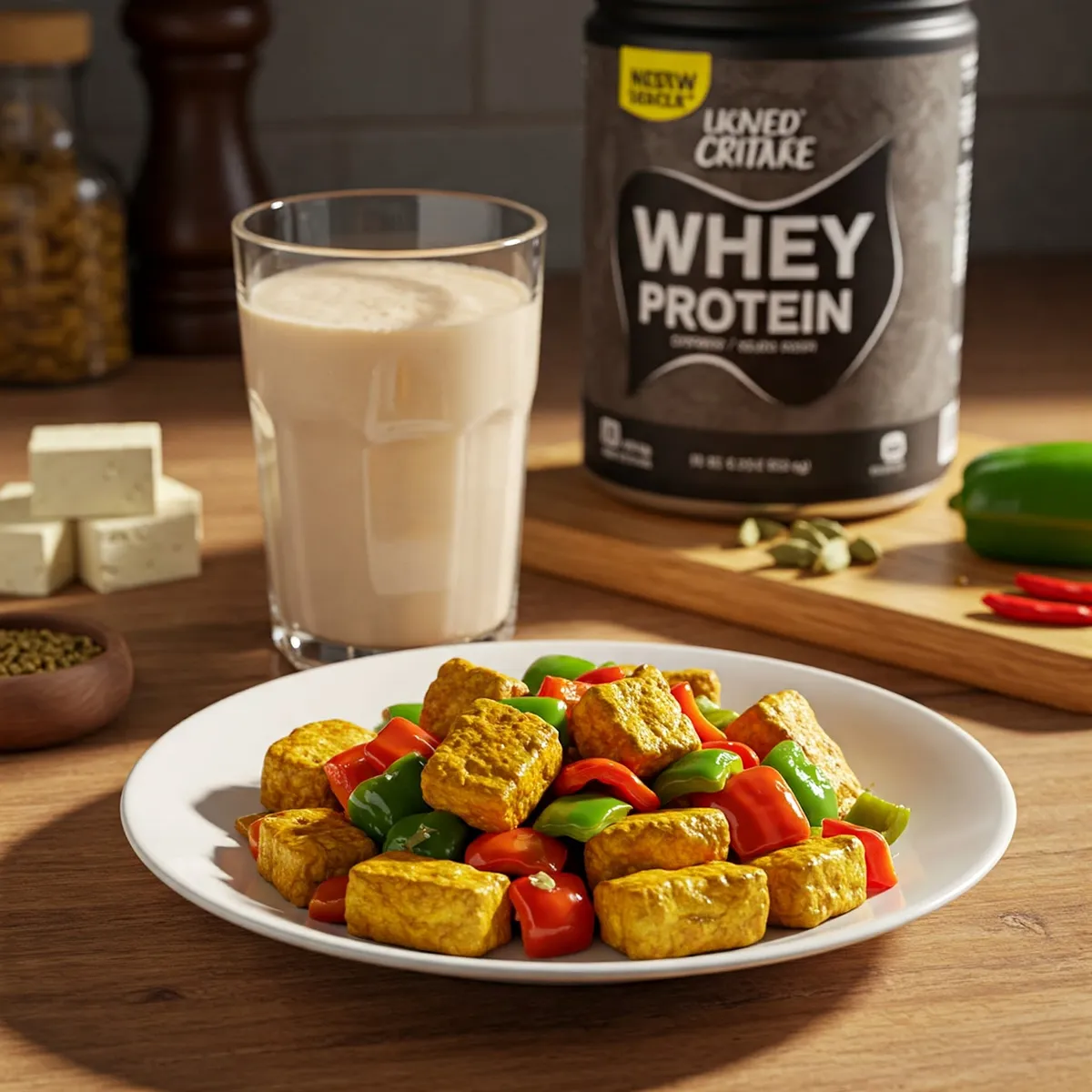
Whey protein is digested quickly, while soya paneer, as a whole food, digests more slowly. That slower digestion provides a gradual release of amino acids, which is useful for main meals and keeps you full for longer. For those who are lactose intolerant or prefer plant-based diets, soya paneer is a dairy-free protein without the digestive discomfort some people get from dairy.
#4. Lean and Heart-Friendly
Athletes need plenty of protein, but not a lot of saturated fat. Soya paneer is cholesterol-free and much lower in saturated fat than dairy paneer or red meat, so you can eat generous portions as part of a heart-healthy diet.
#5. Micronutrients Athletes Need
Soya paneer provides iron (important for oxygen delivery to working muscles), magnesium (for muscle and nerve function) and — when made with calcium sulphate — calcium for strong bones. These are nutrients athletes, especially vegetarian and female athletes, often fall short on.
#How Much Soya Paneer Per Meal?
Most athletes do well with about 25–40 g of protein per meal. Because soya paneer has slightly less leucine than whey, aim for the higher end:
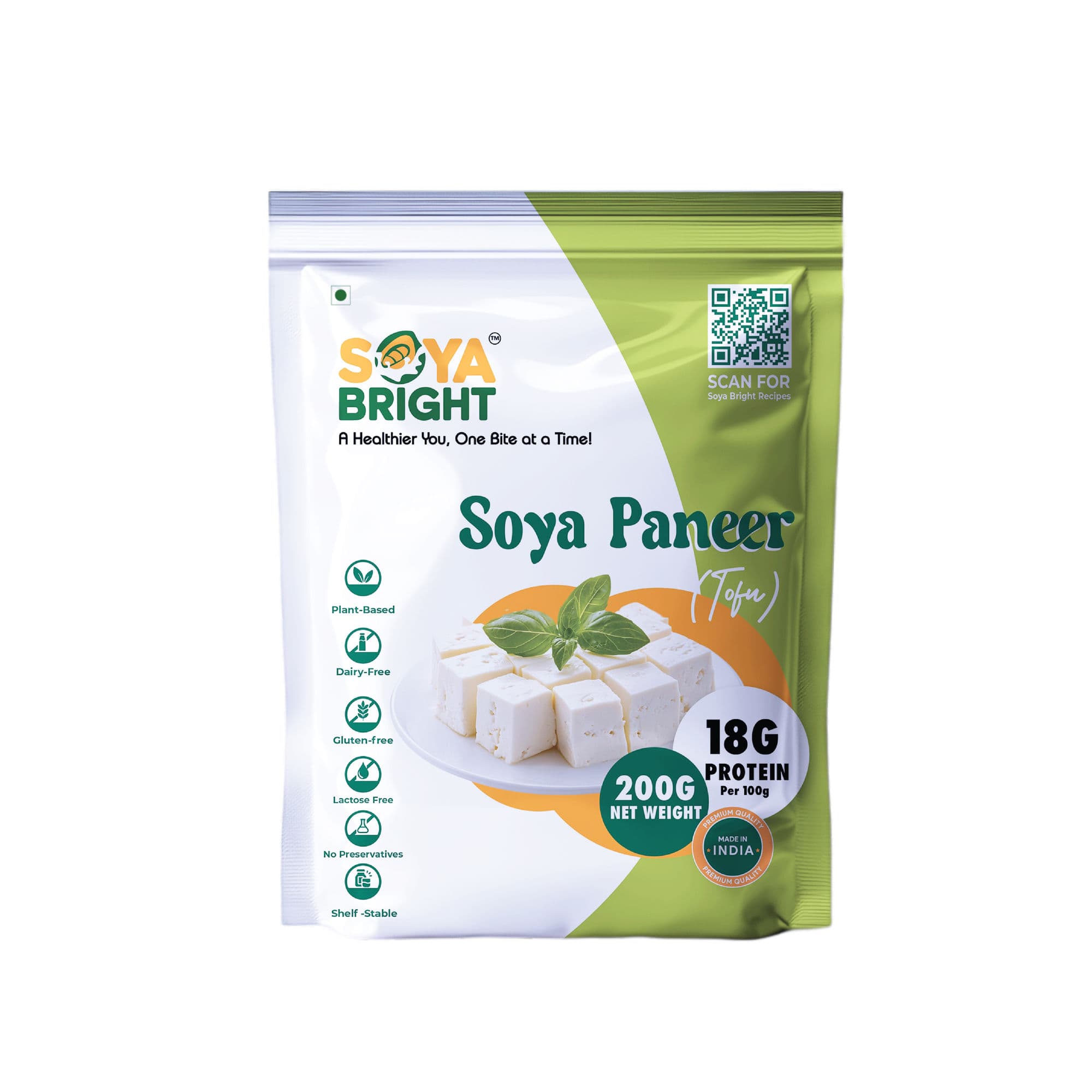
- 150–200 g of firm soya paneer gives roughly 20–30 g of protein — or 27–36 g with Soya Bright soya paneer (18 g per 100 g).
- Add a glass of soya milk (7–9 g protein) or a bowl of dal to top up.
#Built for Training Schedules
Soya Bright soya paneer and soy milk are shelf-stable — tofu lasts 11 months and soy milk 8 months unopened below 25°C — so you can keep protein in your kitchen, hostel room or gym bag without worrying about refrigeration until you open the pack.
#A Sample High-Protein Vegetarian Day
- Breakfast: Soya paneer bhurji with multigrain toast + a glass of soya milk.
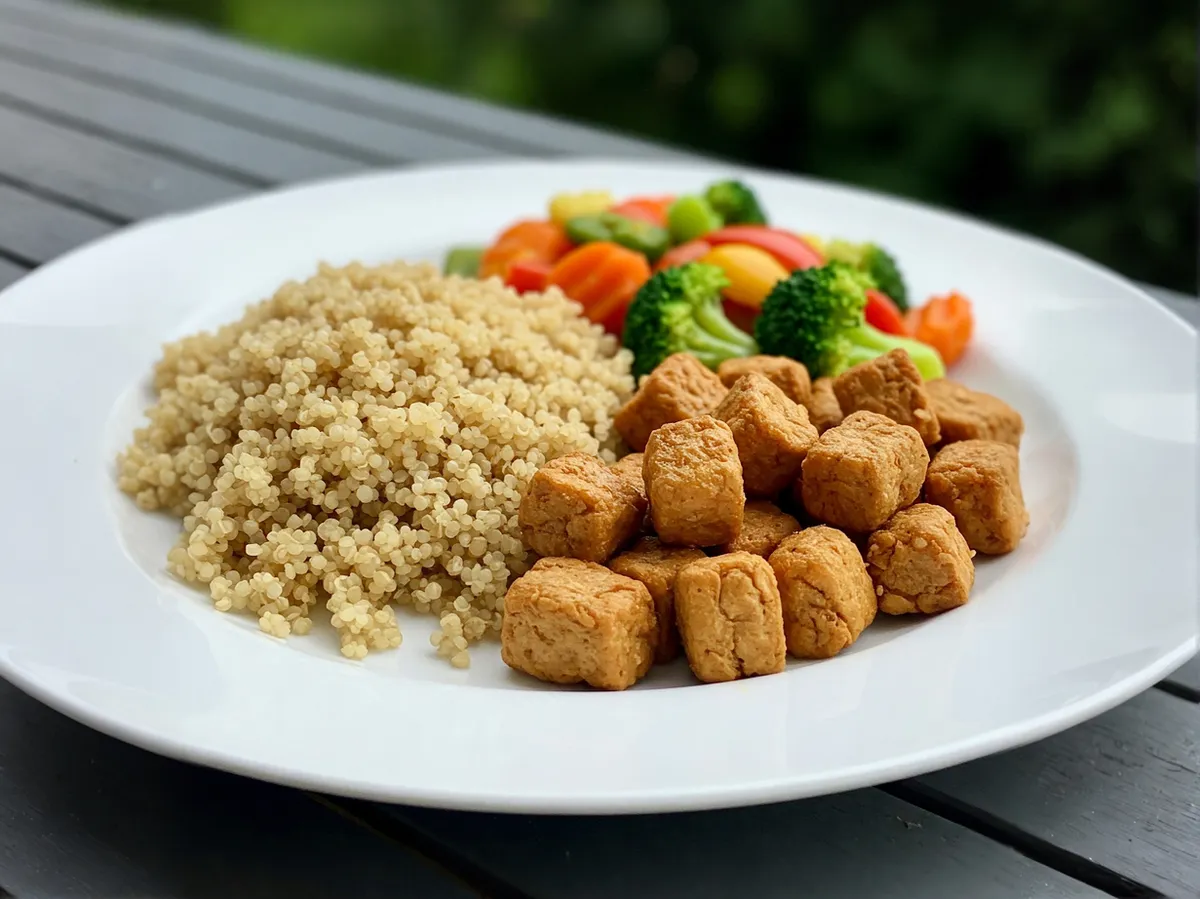
- Lunch: Rajma-rice bowl with grilled soya paneer cubes and salad.
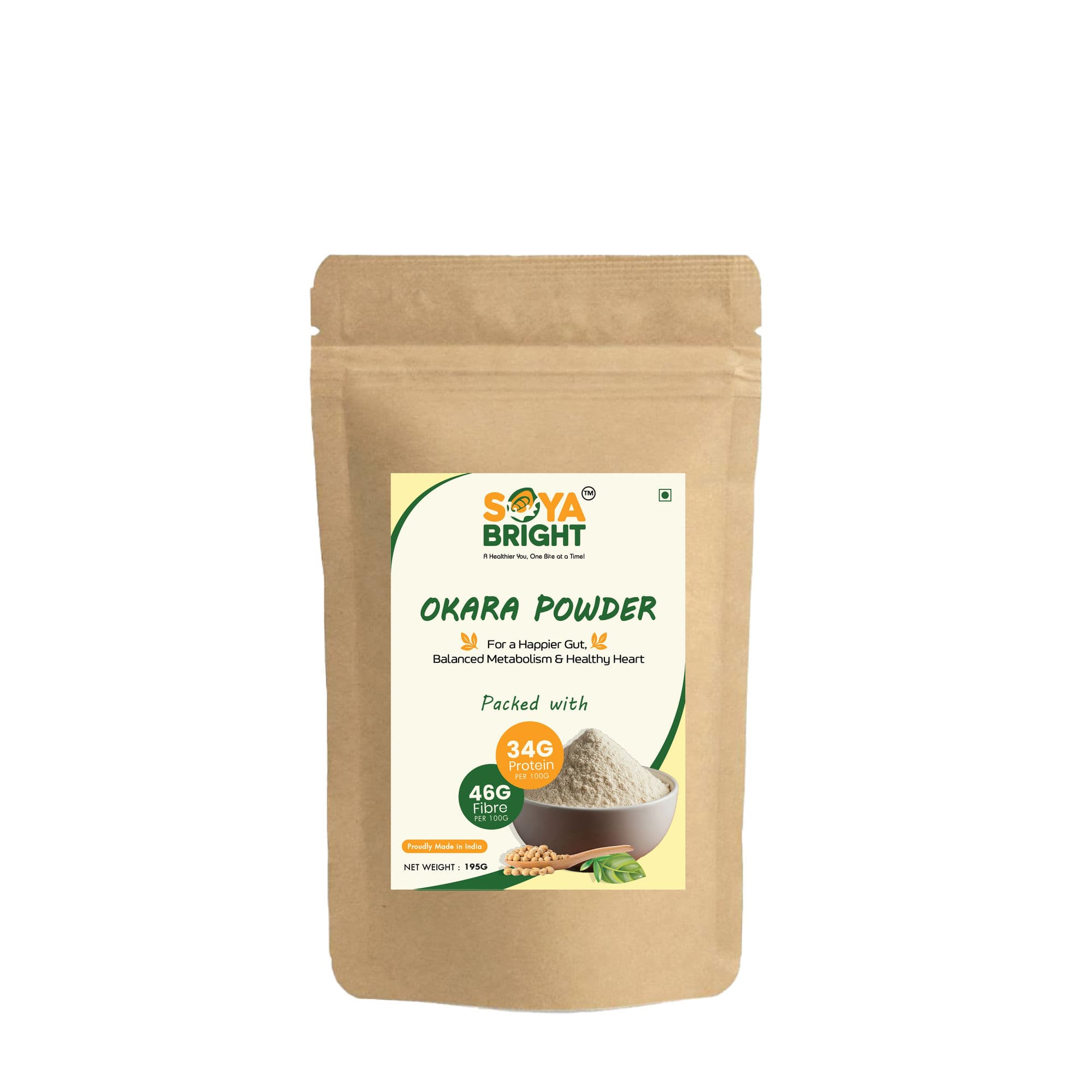
- Post-workout: Soya milk smoothie with banana and a spoon of okara powder.
- Dinner: Soya paneer tikka with roasted vegetables and roti.
- Snack: Roasted chana or a handful of nuts.
#Conclusion
Overall, soya paneer is an excellent protein source for athletes and bodybuilders thanks to its complete amino acid profile, support for muscle recovery, lean nutrition and easy digestion. Make it a regular part of your meals — try Soya Bright Soya Paneer to fuel your training the plant-powered way.

Written by
Soya Bright Team
The team behind Soya Bright at GenHybrid Solutions Pvt Ltd, makers of soya paneer, soy milk and okara in Sangamner, Maharashtra. We check our articles against published research and update them when the evidence changes.
Soya Bright
Put this into practice with Soya Bright
Shelf-stable Soya Bright soya paneer (tofu) and soy milk — 18g protein per 100g of tofu, dairy-free, no preservatives, and no fridge needed until opened. Tofu lasts 11 months unopened below 25°C.