
In this article · 5 sections
Soya is more than just a versatile crop; it plays a vital role in promoting sustainability worldwide. As someone passionate about healthy living and environmental care, I find it exciting to explore how sustainable soya farming contributes to a greener planet and healthier diets. This post will guide you through the importance of sustainable soya farming, its environmental benefits, growth cycle, and practical ways to support this eco-friendly practice.
#Why Sustainable Soya Farming Matters
Sustainable soya farming is about growing soybeans in ways that protect the environment, support farmers, and provide nutritious food. It focuses on reducing negative impacts like deforestation, soil degradation, and excessive water use. By adopting sustainable methods, farmers can maintain soil health, conserve water, and reduce greenhouse gas emissions.
For example, crop rotation with legumes like soybeans enriches the soil with nitrogen naturally. This reduces the need for synthetic fertilizers, which can harm ecosystems. Sustainable soya farming also encourages minimal tillage, which helps preserve soil structure and prevent erosion.
Supporting sustainable soya farming means supporting a system that balances productivity with environmental care. It ensures that future generations can enjoy the benefits of this valuable crop without compromising the planet’s health.
#Environmental Benefits of Sustainable Soya Farming
Soya farming, when done sustainably, offers several environmental advantages. Here are some key benefits:
- Soil Health Improvement: Soybeans fix nitrogen in the soil, reducing the need for chemical fertilizers. This natural process improves soil fertility and structure.
- Water Conservation: Sustainable practices include efficient irrigation and rainwater harvesting, which help conserve water resources.
- Reduced Carbon Footprint: By minimizing tillage and using cover crops, sustainable soya farming lowers carbon emissions and enhances carbon sequestration.
- Biodiversity Support: Maintaining natural habitats around soya fields encourages biodiversity, which is essential for ecosystem balance.
These benefits make sustainable soya farming a powerful tool in combating climate change and promoting ecological balance. It also aligns with the growing demand for plant-based foods that are both healthy and environmentally responsible.
#How Long Does Soya Take to Grow?
Understanding the growth cycle of soybeans helps appreciate the care involved in sustainable soya farming. Typically, soybeans take about 80 to 120 days to mature, depending on the variety and climate conditions.
The growth stages include:
- Germination and Emergence (5-10 days): Seeds sprout and seedlings emerge.
- Vegetative Growth (20-40 days): Plants develop leaves and stems.
- Flowering (10-20 days): Flowers appear, signaling the start of pod formation.
- Pod Development (20-30 days): Pods grow and seeds develop inside.
- Maturation and Harvest (20-30 days): Seeds reach full size and dry, ready for harvest.
Farmers practicing sustainable soya farming monitor these stages carefully to optimize water use, pest control, and nutrient management. This attention ensures a healthy crop with minimal environmental impact.
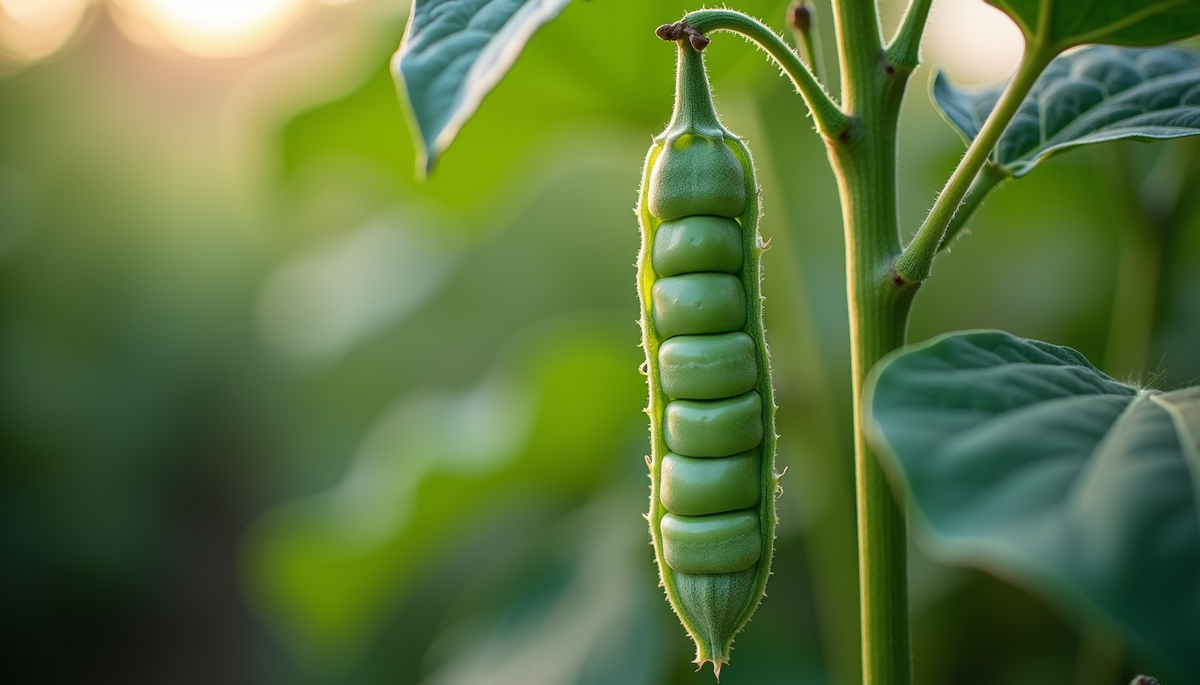
Soybean pods growing during the pod development stage
#Practical Ways to Support Sustainable Soya Farming
You might wonder how you can contribute to promoting sustainable soya farming. Here are some practical steps:
- Choose Certified Products: Look for soy products certified by recognized sustainability standards. These certifications ensure responsible farming practices.
- Support Local and Ethical Brands: Buying from companies committed to sustainability encourages more farmers to adopt eco-friendly methods.
- Reduce Food Waste: Using soy products wisely and avoiding waste helps reduce the overall environmental footprint.
- Educate Yourself and Others: Sharing knowledge about the benefits of sustainable soya farming raises awareness and drives demand for sustainable products.
- Incorporate Soy into Your Diet: Including soy-based foods in your meals supports plant-based nutrition and reduces reliance on resource-intensive animal products.
By making informed choices, you help create a market that values sustainability and supports farmers who care for the environment.
#The Future of Sustainable Soya Farming
The future looks bright for sustainable soya farming. Advances in agricultural technology, such as precision farming and improved seed varieties, are making it easier to grow soybeans efficiently and responsibly. Researchers and farmers are working together to develop methods that increase yields while protecting natural resources.
Moreover, the rising interest in plant-based diets worldwide is driving demand for sustainably produced soy. This trend encourages companies like Genhybrid to expand their reach and offer premium, healthy soya-based products that align with environmental goals.
Sustainable soya farming is not just a farming method; it is a movement toward a healthier planet and healthier people. By supporting this approach, we contribute to a future where food production respects nature and promotes well-being.
I hope this post has inspired you to appreciate the role of sustainable soya farming in building a better world. Whether you are a consumer, business, or athlete, your choices can make a difference. Together, we can support farming practices that nourish both people and the planet.
For more information on sustainable soya farming, visit this link.

Written by
Soya Bright Team
The team behind Soya Bright at GenHybrid Solutions Pvt Ltd, makers of soya paneer, soy milk and okara in Sangamner, Maharashtra. We check our articles against published research and update them when the evidence changes.
Soya Bright
Put this into practice with Soya Bright
Shelf-stable Soya Bright soya paneer (tofu) and soy milk — 18g protein per 100g of tofu, dairy-free, no preservatives, and no fridge needed until opened. Tofu lasts 11 months unopened below 25°C.