
In this article · 6 sections
Growing soya is a rewarding venture that combines science, patience, and care. Whether you are a seasoned grower or just starting, adopting effective soya farming methods can significantly improve your yield and the quality of your crop. I want to share practical tips and insights that have helped me and many others succeed in this field. Let’s dive into the best practices that will make your soya farming journey productive and sustainable.
#Understanding Effective Soya Farming Methods
To get the best results, it’s essential to understand the core principles behind effective soya farming methods. These methods focus on optimizing soil health, selecting the right seeds, managing pests naturally, and ensuring proper irrigation. Here are some key points to consider:
- Soil Preparation: Start with well-drained, fertile soil. Soya beans thrive in loamy soil with a pH between 6.0 and 7.0. Before planting, test your soil and add organic matter or lime if necessary to balance the pH.
- Seed Selection: Choose high-quality, disease-resistant seeds. Certified seeds from reputable suppliers ensure better germination and stronger plants.
- Crop Rotation: Rotate soya with cereals or other crops to reduce soil-borne diseases and improve soil fertility.
- Planting Time: Plant soya when the soil temperature reaches at least 55°F (13°C). Early planting can lead to better yields but avoid frost risk.
- Spacing and Depth: Plant seeds about 1 to 1.5 inches deep and space rows 18 to 30 inches apart. Proper spacing allows sunlight penetration and air circulation.
By following these steps, you set a strong foundation for your soya crop to flourish.
#How Long Does Soya Take to Grow?
Knowing the growth timeline helps you plan your farm activities and anticipate harvest time. Typically, soya takes between 80 to 120 days to mature, depending on the variety and environmental conditions.
- Germination: 5 to 10 days after planting, seeds sprout.
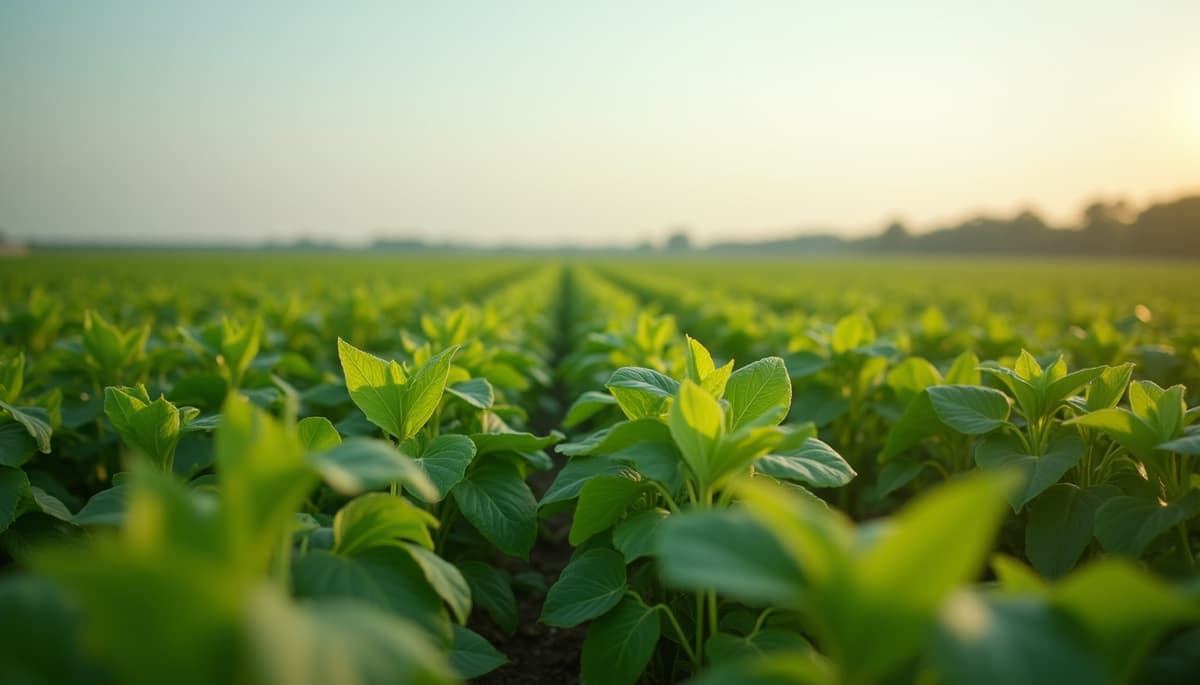
- Vegetative Stage: Lasts about 30 to 40 days. Plants develop leaves and stems.
- Flowering Stage: Begins around 40 to 50 days after planting. Flowers appear, signaling the start of pod formation.
- Pod Development: Takes 30 to 40 days. Pods grow and seeds inside mature.
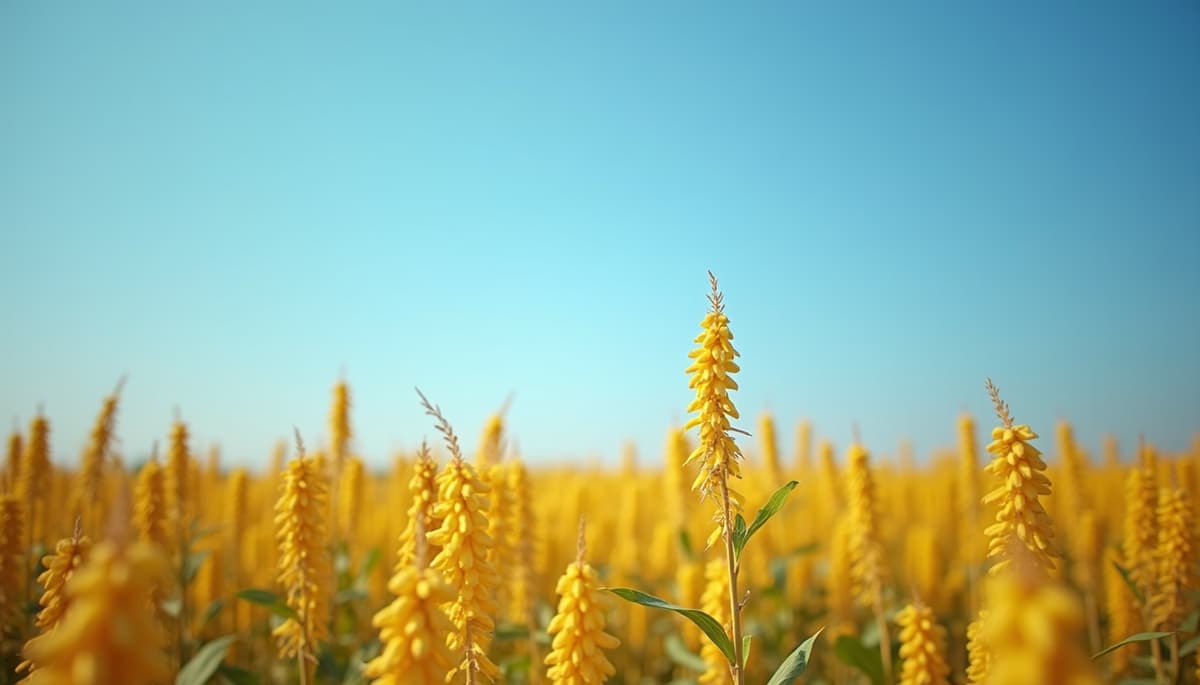
- Maturity: Plants turn yellow and dry, indicating readiness for harvest.
Monitoring your crop during these stages helps you manage irrigation, pest control, and nutrient application effectively.
#Essential Soil and Nutrient Management Tips
Healthy soil is the backbone of a successful soya crop. I always emphasize the importance of soil testing before planting. This simple step guides you in applying the right nutrients and avoiding over-fertilization.
- Nitrogen Fixation: Soya plants fix nitrogen naturally through root nodules. However, inoculating seeds with rhizobium bacteria before planting can boost this process.
- Phosphorus and Potassium: These nutrients support root development and pod formation. Apply them based on soil test recommendations.
- Organic Matter: Incorporate compost or green manure to improve soil structure and moisture retention.
- Avoid Excess Nitrogen: Too much nitrogen can lead to excessive leaf growth but poor pod development.
Regularly monitor soil moisture and nutrient levels during the growing season to adjust your management practices.
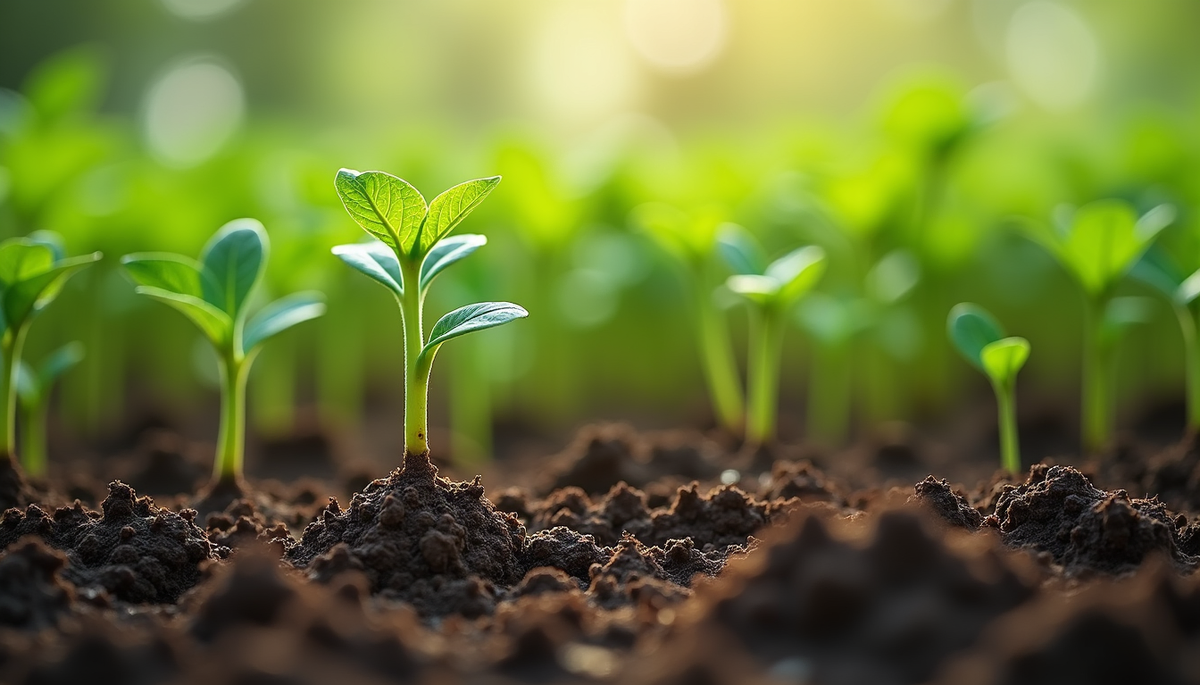
Healthy soya roots with nitrogen-fixing nodules
#Pest and Disease Management Strategies
Pests and diseases can reduce your yield if not managed properly. I recommend an integrated pest management (IPM) approach that combines prevention, monitoring, and control.
- Crop Rotation: Helps break pest and disease cycles.
- Resistant Varieties: Use seeds bred for resistance to common soya diseases like rust and blight.
- Regular Scouting: Inspect plants weekly for signs of pests such as aphids, caterpillars, and beetles.
- Biological Controls: Encourage beneficial insects like ladybugs and lacewings that prey on pests.
- Chemical Controls: Use pesticides as a last resort and follow label instructions carefully to avoid resistance buildup.
Keeping your crop healthy through good cultural practices reduces the need for chemical interventions.
#Harvesting and Post-Harvest Handling
Harvesting at the right time is crucial to preserve the quality and nutritional value of your soya beans. Here’s what I’ve learned about timing and handling:
- Harvest Timing: Harvest when pods are dry and seeds rattle inside. Moisture content should be around 13-15%.
- Harvest Method: Use a combine harvester or hand-pick pods carefully to minimize seed damage.
- Drying: If moisture is high, dry the beans promptly to prevent mold growth.
- Storage: Store in a cool, dry place with good ventilation. Use airtight containers or bags to protect from pests.
Proper post-harvest handling ensures your soya beans remain fresh and ready for processing or sale.
#Embracing Sustainable Practices for Long-Term Success
Sustainability is key to maintaining soil health and productivity over time. I encourage adopting practices that protect the environment and reduce input costs:
- Conservation Tillage: Minimizes soil disturbance and erosion.
- Cover Crops: Plant cover crops during off-season to improve soil organic matter and suppress weeds.
- Water Management: Use drip irrigation or rainwater harvesting to conserve water.
- Reduce Chemical Use: Favor organic fertilizers and natural pest controls.
By integrating these sustainable methods, you contribute to a healthier planet while securing your farm’s future.
I hope these insights into effective soya farming methods inspire you to optimize your crop production. Remember, success in soya farming comes from careful planning, consistent care, and a willingness to learn and adapt. For more detailed guidance and premium seeds, check out soya farming resources and suppliers who share your commitment to quality and health.
Happy farming and may your soya fields thrive!

Written by
Soya Bright Team
The team behind Soya Bright at GenHybrid Solutions Pvt Ltd, makers of soya paneer, soy milk and okara in Sangamner, Maharashtra. We check our articles against published research and update them when the evidence changes.
Soya Bright
Put this into practice with Soya Bright
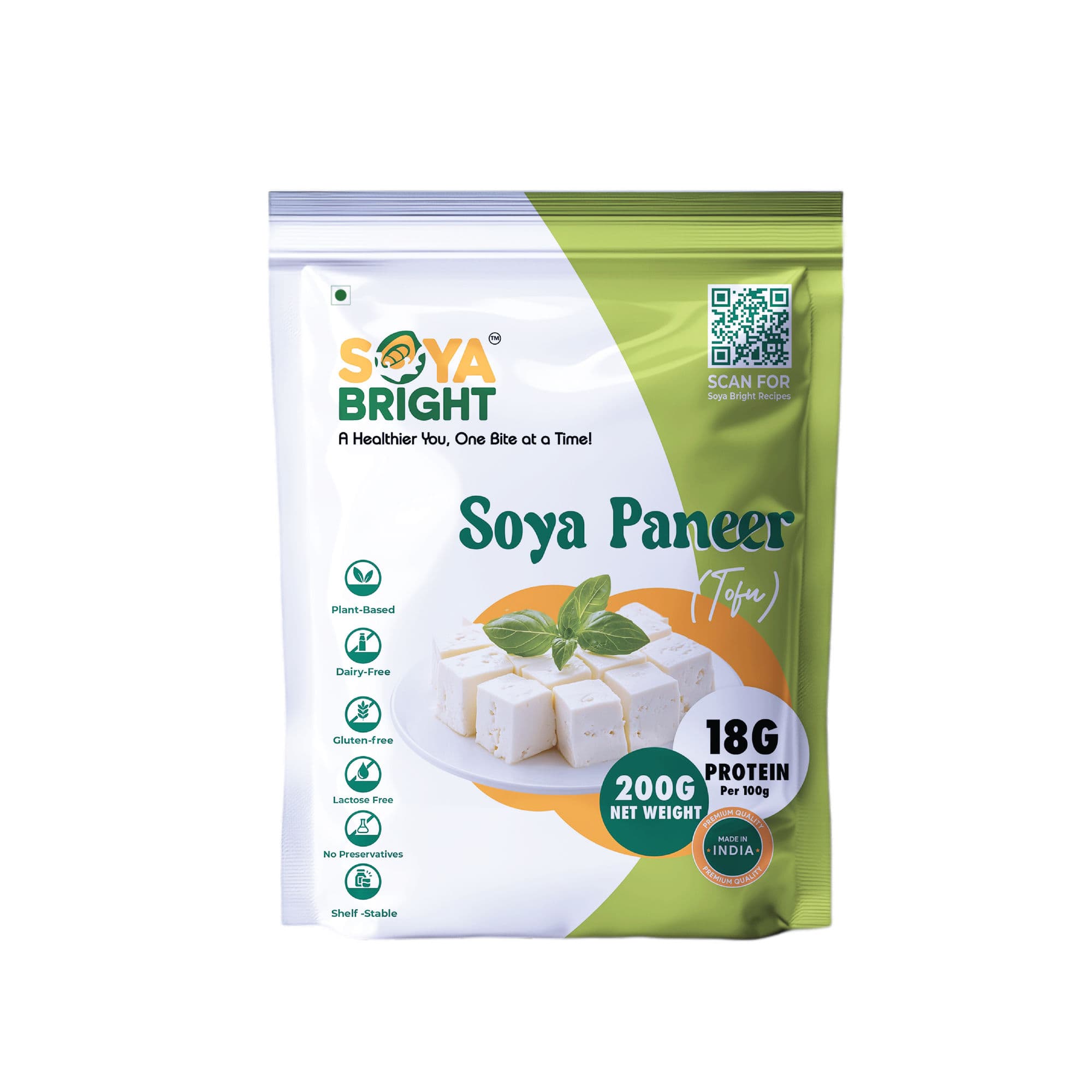
Shelf-stable Soya Bright soya paneer (tofu) and soy milk — 18g protein per 100g of tofu, dairy-free, no preservatives, and no fridge needed until opened. Tofu lasts 11 months unopened below 25°C.