

In this article · 5 sections
Soya paneer, a popular plant-based protein source, offers several environmental advantages over traditional animal-based protein sources. Below are key areas of comparison, including sustainability, land use, and carbon footprint.
#Sustainability
- Resource Efficiency: Soya production is generally far more resource-efficient than animal farming. It requires significantly less land, water and energy to produce the same amount of protein.
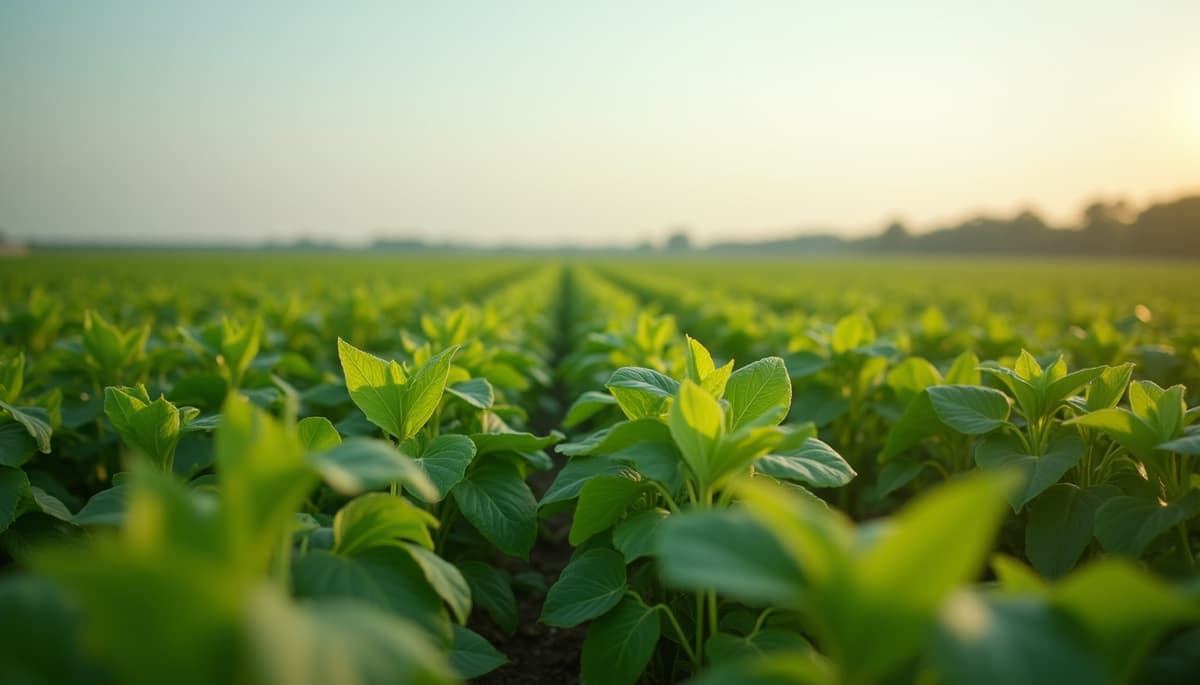
- Crop Yield: A hectare of soybeans typically produces 2.5–3 tonnes of beans, which contain roughly 35–40% protein — around 1,000 kg of protein per hectare. Beef, by comparison, produces only a small fraction of that from the same land.
#Land Use
- Land Requirements: According to a large 2018 study of global food systems (Poore & Nemecek, published in Science), producing 1 kg of beef from beef herds uses over 300 square metres of land, while 1 kg of tofu uses less than 4 square metres.
- Deforestation: Livestock farming — including the large share of the world's soybeans grown as animal feed — is a leading driver of deforestation, particularly in the Amazon. Eating soya directly as food, such as soya paneer, is a far more efficient use of the crop than feeding it to animals.
#Carbon Footprint
- Greenhouse Gas Emissions: According to the Food and Agriculture Organization (FAO), livestock production accounts for about 14.5% of global greenhouse gas emissions. Plant-based proteins like soya produce significantly lower emissions.
- Specific Emission Statistics: The same 2018 study estimated the footprint of beef (from beef herds) at nearly 100 kg of CO2-equivalent per kilogram, compared with about 3 kg of CO2-equivalent per kilogram of tofu — more than 30 times lower.
#Water Usage
- Water Consumption: Producing 1 kg of beef takes roughly 15,000 litres of water across its lifecycle, while 1 kg of soybeans takes around 2,000 litres.
- Water Scarcity: With water becoming scarcer in many regions, including parts of India, shifting some protein from animal to plant sources helps conserve vital water resources.
#Conclusion
In summary, soya paneer presents various environmental benefits when compared to animal-based protein sources. Its efficient use of resources, lower land requirements, reduced carbon footprint, and decreased water consumption make it a sustainable choice for protein consumption. Transitioning to plant-based proteins like soya can play a crucial role in mitigating climate change and promoting a more sustainable food system.

Written by
Soya Bright Team
The team behind Soya Bright at GenHybrid Solutions Pvt Ltd, makers of soya paneer, soy milk and okara in Sangamner, Maharashtra. We check our articles against published research and update them when the evidence changes.
Soya Bright
Put this into practice with Soya Bright
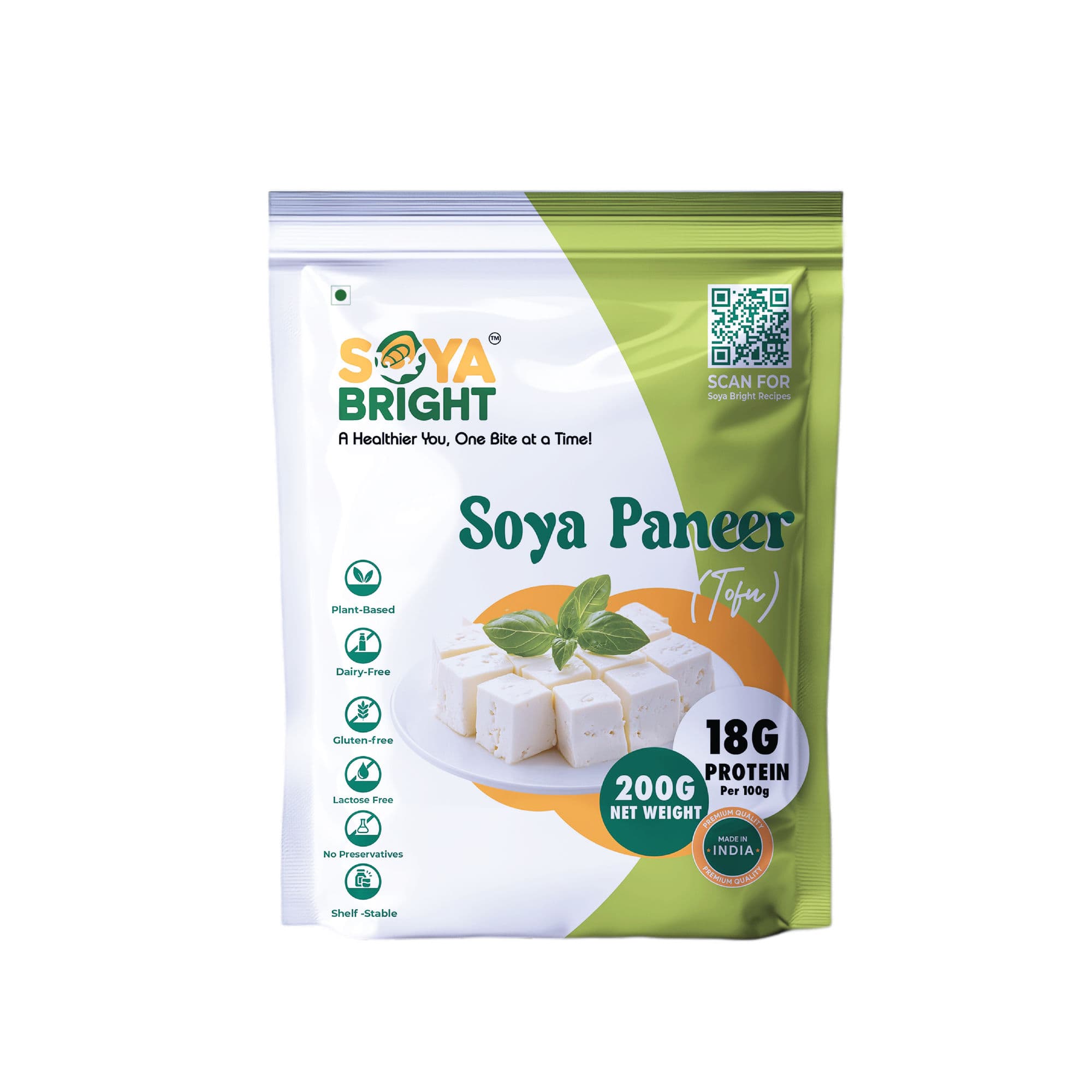
Shelf-stable Soya Bright soya paneer (tofu) and soy milk — 18g protein per 100g of tofu, dairy-free, no preservatives, and no fridge needed until opened. Tofu lasts 11 months unopened below 25°C.