

In this article · 6 sections
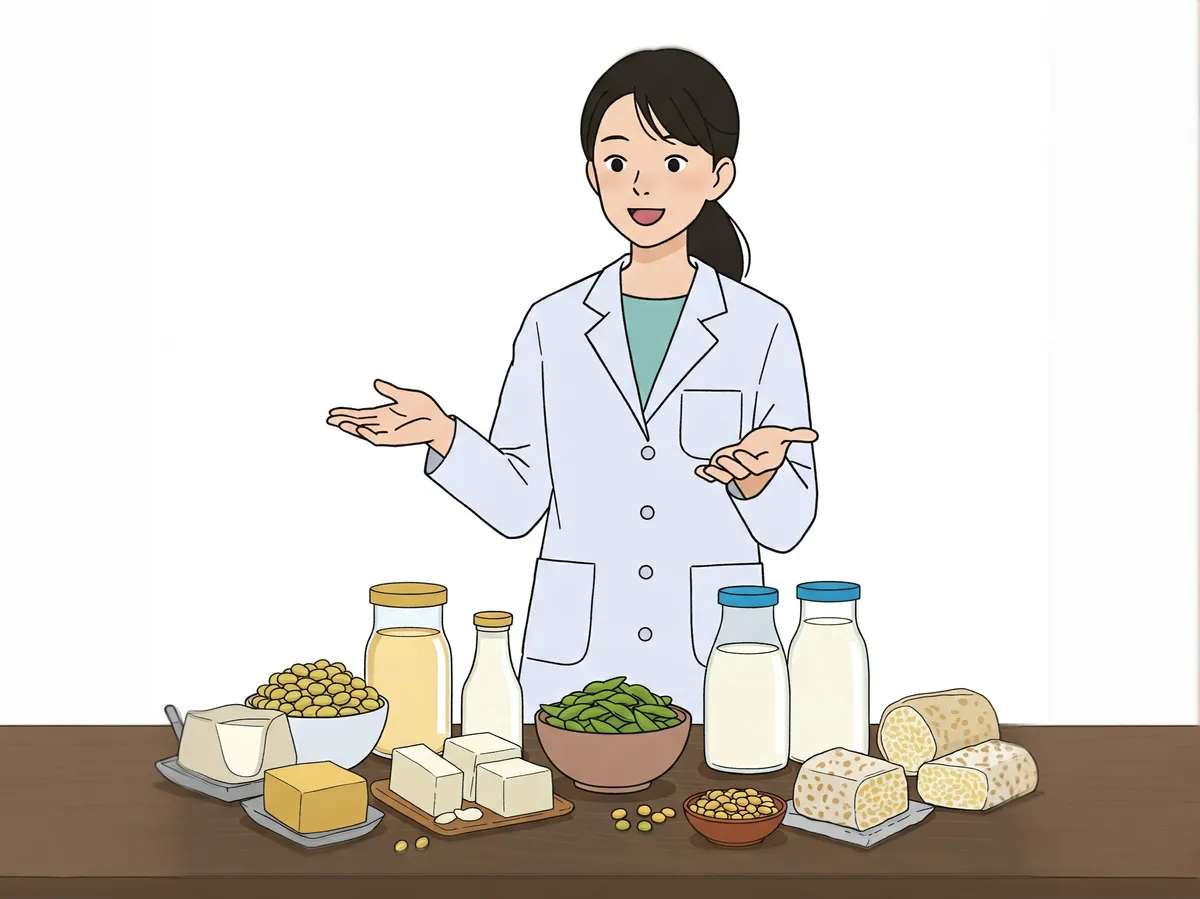
#1. Myth: Soya Paneer Contains High Levels of Estrogen
One of the most prevalent myths is that soya paneer contains high levels of estrogen, which can disrupt hormonal balance in both men and women. This concern primarily arises from the presence of phytoestrogens, specifically isoflavones, in soy products.
Debunking: Research indicates that phytoestrogens can mimic estrogen but do not have the same potency. Reviews of clinical studies have found that soy foods do not meaningfully change testosterone or estrogen levels in men, and the American Institute for Cancer Research considers moderate soy food intake safe for women, including breast cancer survivors.
#2. Myth: Soya Paneer is Difficult to Digest
Some people believe that soya paneer can cause digestive issues, including bloating and gas, due to its fiber content and the presence of oligosaccharides.
Debunking: While it is true that some individuals may experience digestive discomfort from soy products, this is not universal. Most people digest soya paneer well. Much of the gas-causing oligosaccharides are removed with the whey when tofu is made, and firm tofu is classified as low-FODMAP by Monash University, making it suitable for many people with sensitive stomachs.
#3. Myth: Soya Paneer is Not Suitable for Bodybuilding
There's a common belief that soya paneer is not an adequate protein source for bodybuilding, particularly when compared to animal proteins.
Debunking: Soya paneer is a complete protein, providing all essential amino acids necessary for muscle repair and growth. Research reviews comparing soy and animal protein have found that soy supports similar gains in muscle mass and strength with resistance training, when total protein intake is adequate. Additionally, the amino acid profile of soy protein has been shown to support muscle synthesis effectively.
#4. Myth: Soya Paneer Can Cause Weight Gain
Many believe that consuming soya paneer will lead to weight gain due to its calorie content.
Debunking: Weight gain occurs when there is a caloric surplus, not solely from consuming specific foods. Soy foods, including soya paneer, can be part of a balanced diet that supports weight management due to their high protein content and ability to promote satiety.
#5. Myth: Soya Paneer is Genetically Modified
There is a concern that most soya products, including soya paneer, are derived from genetically modified (GM) soybeans.
Debunking: While a significant portion of soybeans grown globally is genetically modified, many brands offer non-GMO options. Consumers can look for certifications or labels indicating that the product is non-GMO. Food safety regulators such as the European Food Safety Authority (EFSA) have also assessed approved GM soy varieties as safe to eat. In India, GM soybeans are not approved for cultivation.
#Conclusion
Understanding the facts about soya paneer can help dispel common myths and misconceptions. It is a nutritious food that can fit well into a balanced diet, providing protein, healthy fats, and essential nutrients. As with any food, moderation and individual dietary needs should guide consumption.

Written by
Soya Bright Team
The team behind Soya Bright at GenHybrid Solutions Pvt Ltd, makers of soya paneer, soy milk and okara in Sangamner, Maharashtra. We check our articles against published research and update them when the evidence changes.
Soya Bright
Put this into practice with Soya Bright
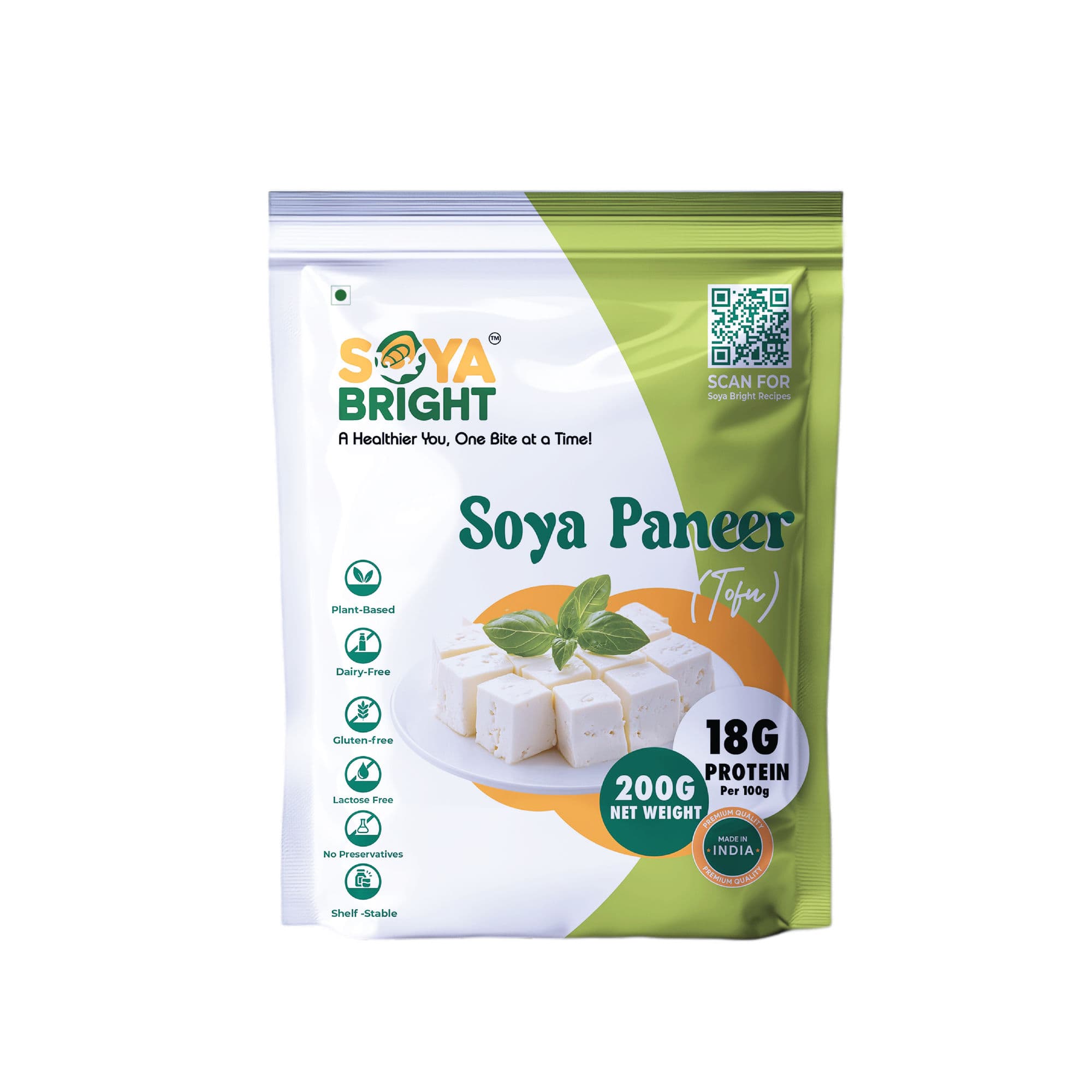
Shelf-stable Soya Bright soya paneer (tofu) and soy milk — 18g protein per 100g of tofu, dairy-free, no preservatives, and no fridge needed until opened. Tofu lasts 11 months unopened below 25°C.