
In this article · 5 sections
- Why soya paneer is diabetes-friendly
- Very few carbohydrates
- High in protein
- Fibre from whole soya
- Good for the heart
- What the research says
- Easy ways to add soya to a diabetic diet
- Meal ideas for diabetics
- Frequently asked questions
- Is soya paneer good for diabetes?
- How much soya paneer can a diabetic eat?
- Is soya milk good for diabetics?
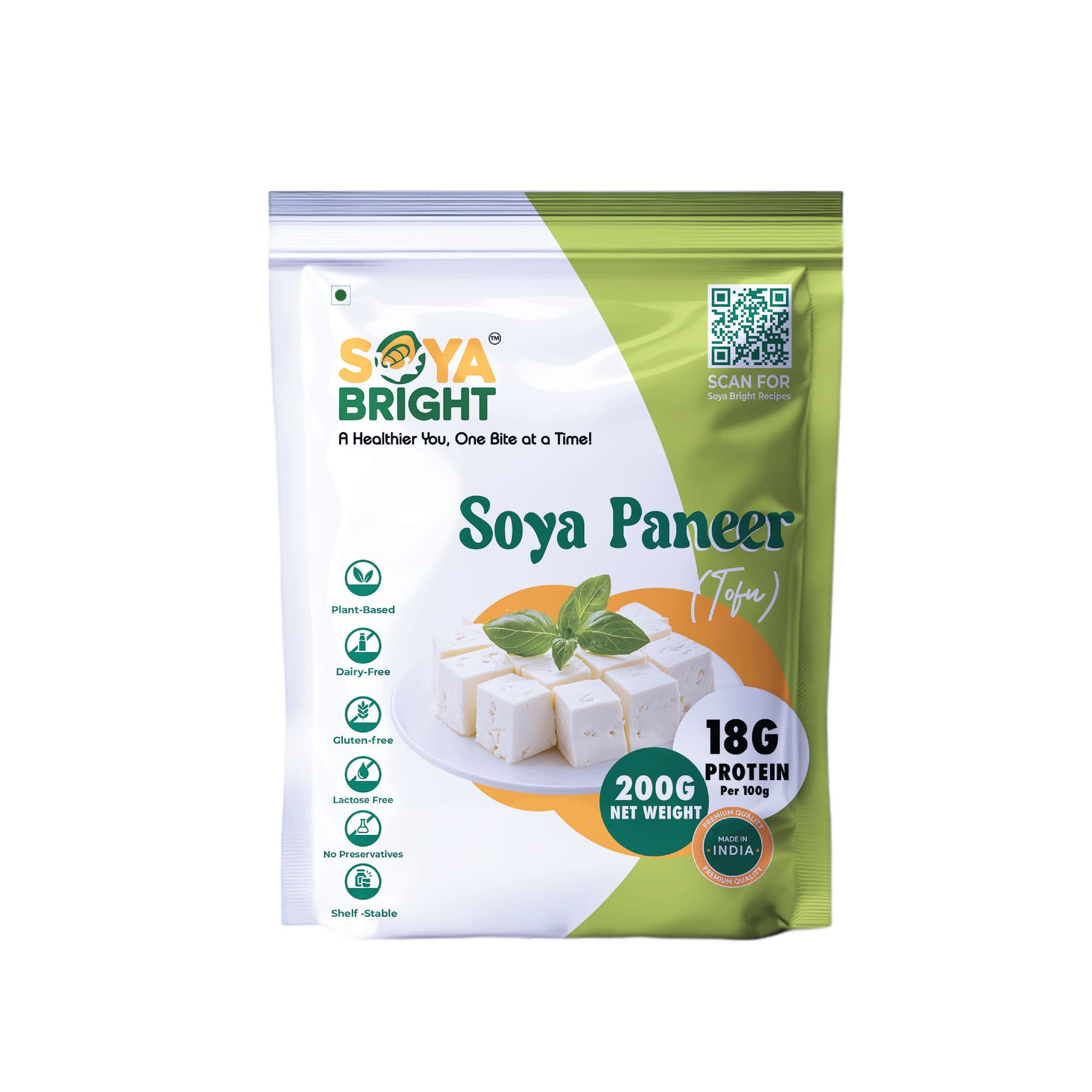
Soya paneer (tofu) suits a diabetic diet because it is almost all protein and fat, with very little carbohydrate, so it barely raises blood sugar. Firm soya paneer such as Soya Bright has about 3g of carbohydrate and 18g of protein per 100g on the label. Other soya foods, such as soybeans, soy milk and soya flour, add fibre and protein too. This guide covers what the research says, which soya foods to choose and simple meal ideas.
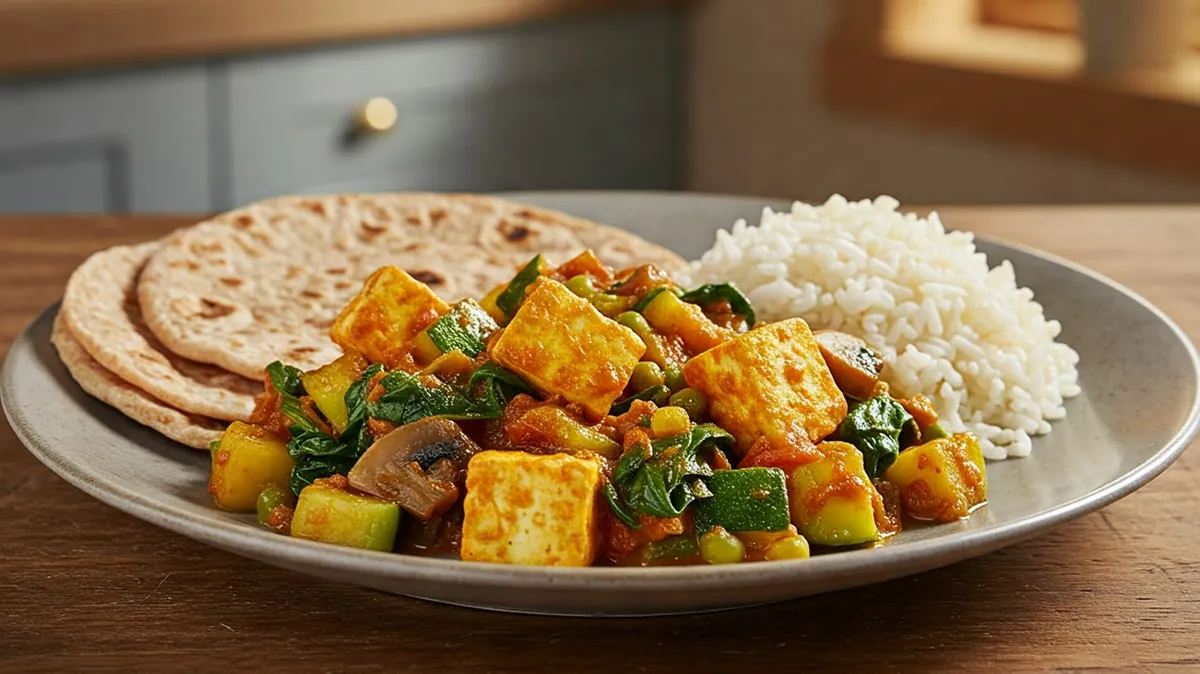
#Why soya paneer is diabetes-friendly
#Very few carbohydrates
The glycemic index (GI) ranks carbohydrate foods by how fast they raise blood glucose; 55 or less counts as low. Soya paneer has so little carbohydrate that its effect on blood sugar is minimal, and whole soybeans have one of the lowest GI values measured (Atkinson et al., 2021). Swapping some high-GI foods, such as white bread or sugary cereal, for soya foods helps keep blood sugar steadier.
#High in protein
Protein has little direct effect on blood sugar, and eating it with carbohydrate slows how quickly that carbohydrate is absorbed. Protein also keeps you full for longer, which helps with weight control, an important part of managing type 2 diabetes (Leidy et al., 2015). Soya is one of the few plant foods with all nine essential amino acids.
#Fibre from whole soya
Whole soybeans and okara (soybean fibre) are high in fibre, which slows digestion. 100g of cooked soybeans has about 6g of fibre. Tofu itself has less, so pair it with vegetables, dal or whole grains.
#Good for the heart
Diabetes raises the risk of heart disease. Soya paneer is cholesterol-free and low in saturated fat, and about 25g of soy protein a day lowers LDL ("bad") cholesterol by roughly 3–5% (Blanco Mejia et al., 2019).
#What the research says
- Blood sugar: a review of trials in people with type 2 diabetes found soy foods modestly improved some blood glucose measures (Yang et al., 2011).
- Risk of diabetes: observational studies link higher intake of soy foods with a slightly lower risk of type 2 diabetes (Li et al., 2018).
- Insulin sensitivity: some trials suggest soy isoflavones may improve insulin sensitivity, mainly in women after menopause (Fang et al., 2016).
The effects are modest. Soya helps as part of a balanced diet; it does not replace medication.
#Easy ways to add soya to a diabetic diet
- Soya paneer (tofu): use it in place of dairy paneer in curries, bhurji and tikka. It has the same kind of bite with no cholesterol and much less fat.
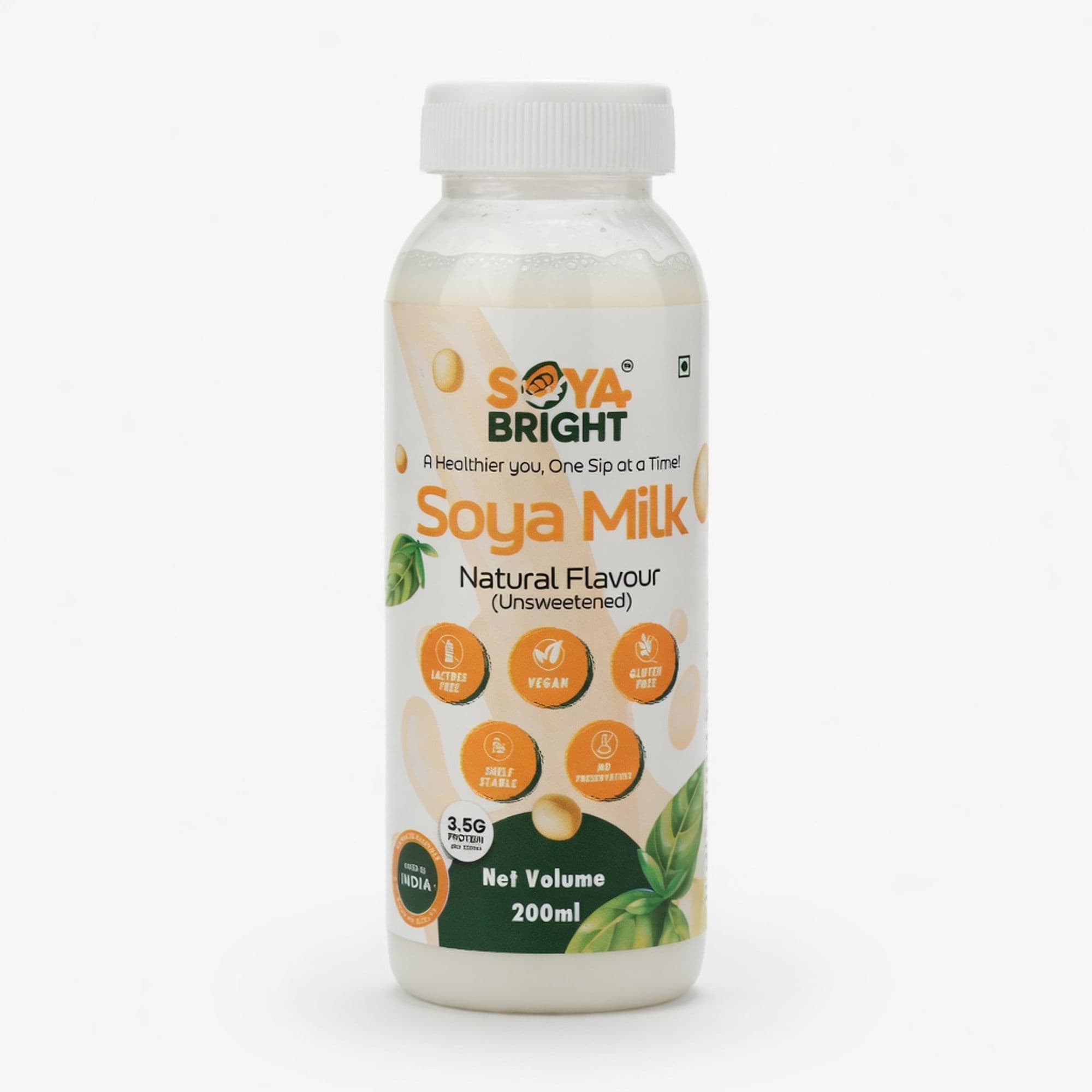
- Unsweetened soy milk: use it in tea, coffee, oats or smoothies instead of sweetened drinks. Check the label for "no added sugar".
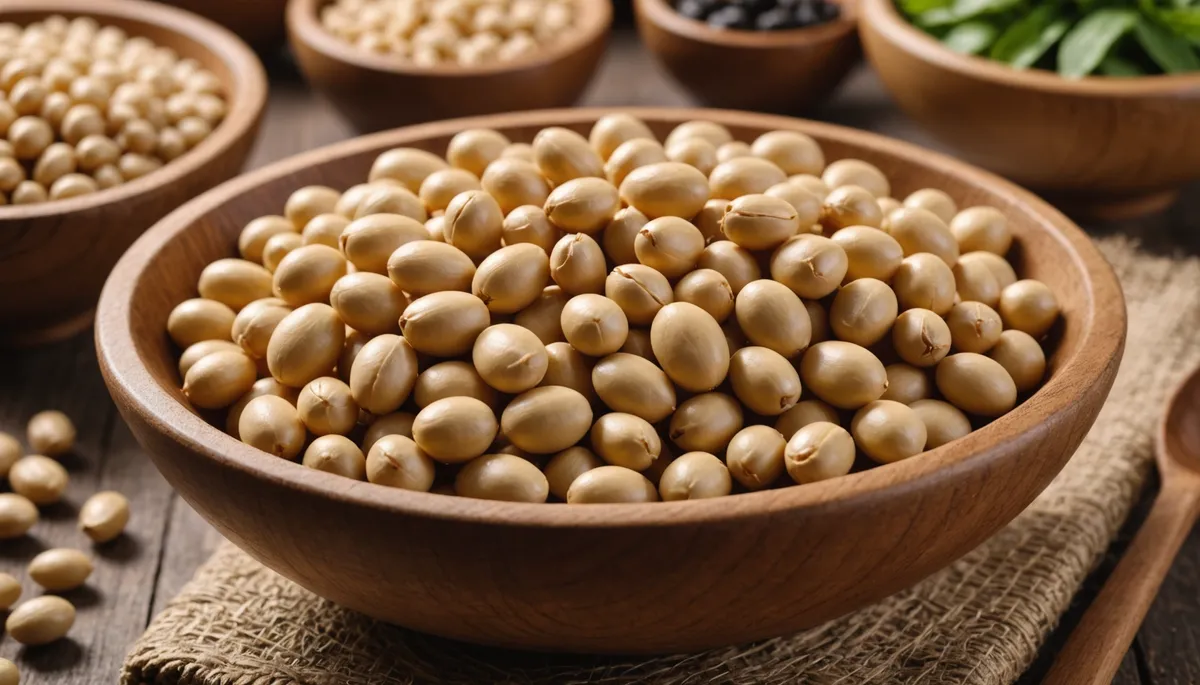
- Roasted soybeans (soya nuts): a crunchy snack with about 40g of protein per 100g. Keep portions small, as they are calorie-dense.
- Edamame: steamed young soybeans, as a snack or in salads.
- Soya flour or okara powder: mix a spoon into atta to add protein and fibre to rotis.
#Meal ideas for diabetics
- Soya paneer salad: greens, cherry tomatoes, cucumber and grilled soya paneer, with olive oil and lemon.
- Soya paneer stir-fry: soya paneer with peppers, broccoli and carrots, a little low-sodium soy sauce, garlic and ginger. Serve with a small portion of brown rice or quinoa.
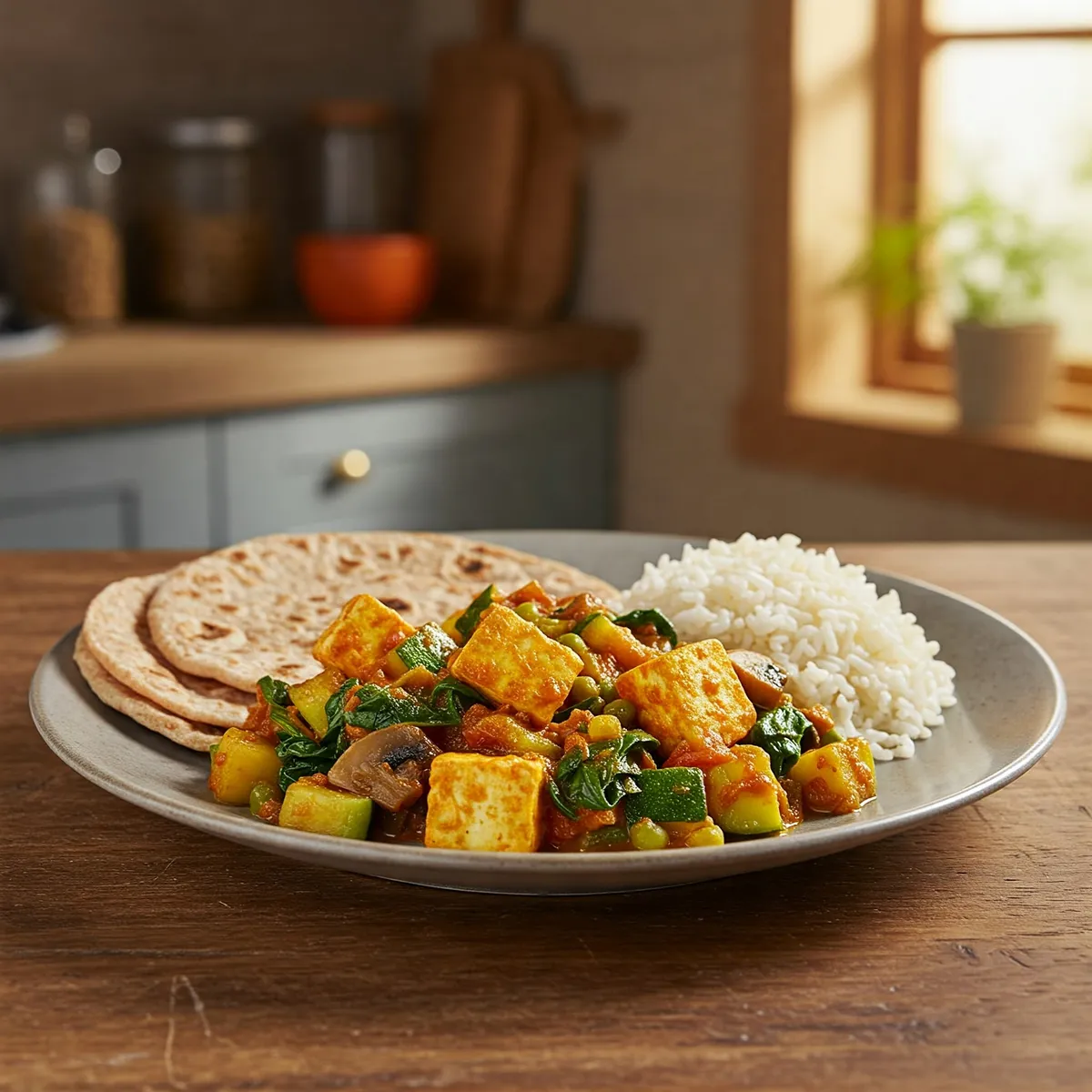
- Light soya paneer curry: tomatoes, onion, turmeric and cumin, with whole-wheat roti.
- Soya paneer wrap: whole-wheat wrap with soya paneer, lettuce and vegetables.
- Edamame salad: steamed edamame, cherry tomatoes and cucumber with lemon juice, salt and pepper.
For recipes, try the Szechuan tofu stir-fry or the tofu bowl. Adding okara powder to atta raises the fibre in your rotis.
#Frequently asked questions
#Is soya paneer good for diabetes?
Yes, for most people. It has very little carbohydrate and plenty of protein, so it has little effect on blood sugar, and it is cholesterol-free. Watch the oil and the carbs you eat with it.
#How much soya paneer can a diabetic eat?
About 100g a day (one portion) is a sensible amount for most adults, as part of a balanced diet. Ask your doctor or dietitian about your own needs.
#Is soya milk good for diabetics?
Unsweetened soy milk is a good choice. Avoid flavoured or sweetened versions, which can contain a lot of added sugar.
Note: If you take insulin or diabetes medication, talk to your doctor or dietitian before making major changes to your diet.
Sources
Published research this article draws on.
- Atkinson FS, et al. International tables of glycemic index and glycemic load values 2021: a systematic review. American Journal of Clinical Nutrition, 2021.
- Yang B, et al. Systematic review and meta-analysis of soy products consumption in patients with type 2 diabetes mellitus. Asia Pacific Journal of Clinical Nutrition, 2011.
- Li W, et al. Soy and the risk of type 2 diabetes mellitus: a systematic review and meta-analysis of observational studies. Diabetes Research and Clinical Practice, 2018.
- Fang K, et al. Soy isoflavones and glucose metabolism in menopausal women: a systematic review and meta-analysis of randomized controlled trials. Molecular Nutrition & Food Research, 2016.
- Blanco Mejia S, et al. A meta-analysis of 46 studies identified by the FDA demonstrates that soy protein decreases circulating LDL and total cholesterol concentrations in adults. Journal of Nutrition, 2019.
- Leidy HJ, et al. The role of protein in weight loss and maintenance. American Journal of Clinical Nutrition, 2015.

Written by
Soya Bright Team
The team behind Soya Bright at GenHybrid Solutions Pvt Ltd, makers of soya paneer, soy milk and okara in Sangamner, Maharashtra. We check our articles against published research and update them when the evidence changes.
Soya Bright
Put this into practice with Soya Bright
Shelf-stable Soya Bright soya paneer (tofu) and soy milk — 18g protein per 100g of tofu, dairy-free, no preservatives, and no fridge needed until opened. Tofu lasts 11 months unopened below 25°C.