
In this article · 9 sections
#Soya Paneer (Tofu): A Nutritious Plant-Based Alternative
#What is Soya Paneer (Tofu)?
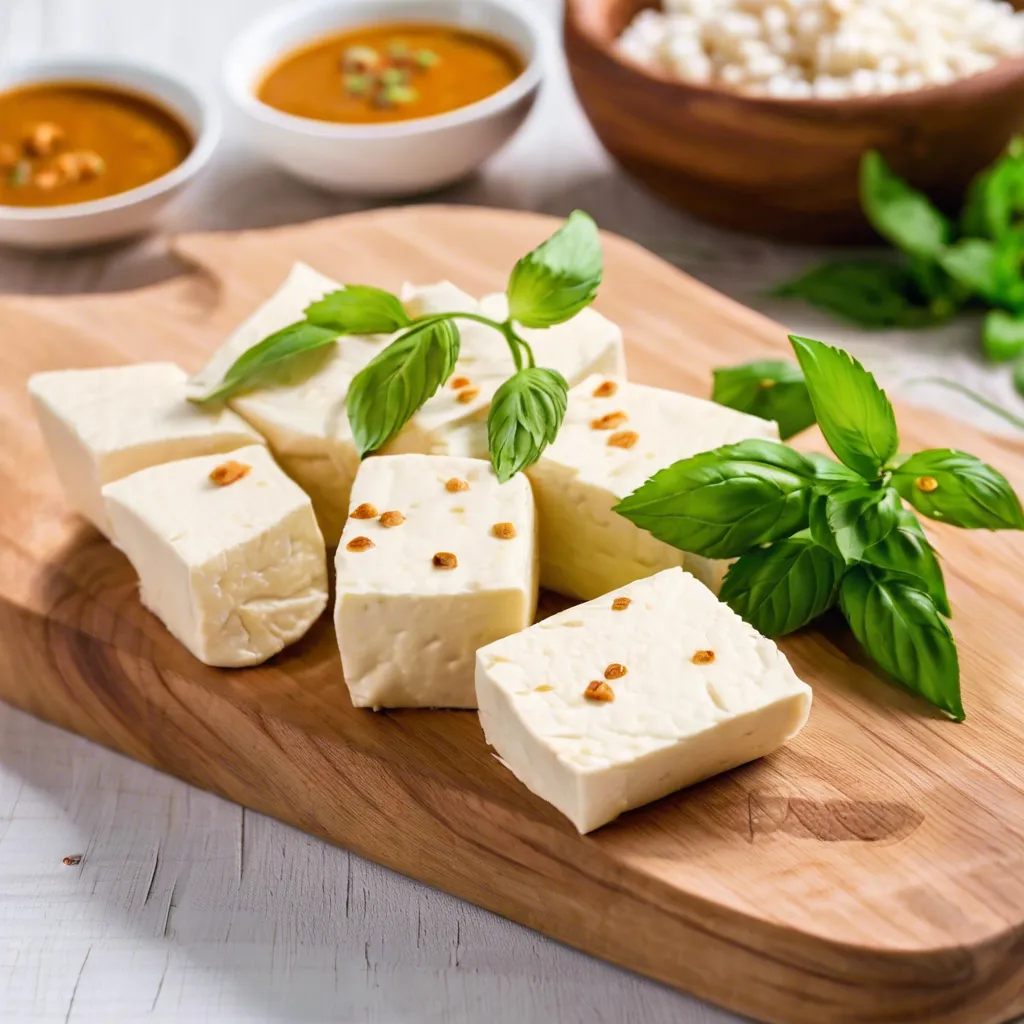
Soya paneer, commonly known as tofu, is a versatile plant-based protein made from soybeans. It is a staple in many vegetarian and vegan diets and is celebrated for its ability to absorb flavors, making it an excellent ingredient in various dishes. With its creamy texture and high protein content, soya paneer serves as a fantastic alternative to traditional dairy paneer.
#History of Soya Paneer
The history of tofu dates back over 2,000 years to ancient China, where it was discovered during the Han Dynasty. According to popular legend, it was discovered when soy milk was accidentally curdled with nigari, a sea-salt brine rich in magnesium chloride. Over the centuries, it spread across Asia and became an essential part of many cuisines, particularly in Japan, Korea, and Southeast Asia. Today, soya paneer is enjoyed worldwide, appreciated for its nutritional benefits and versatility.
#Exciting Process of Making Soy Paneer!
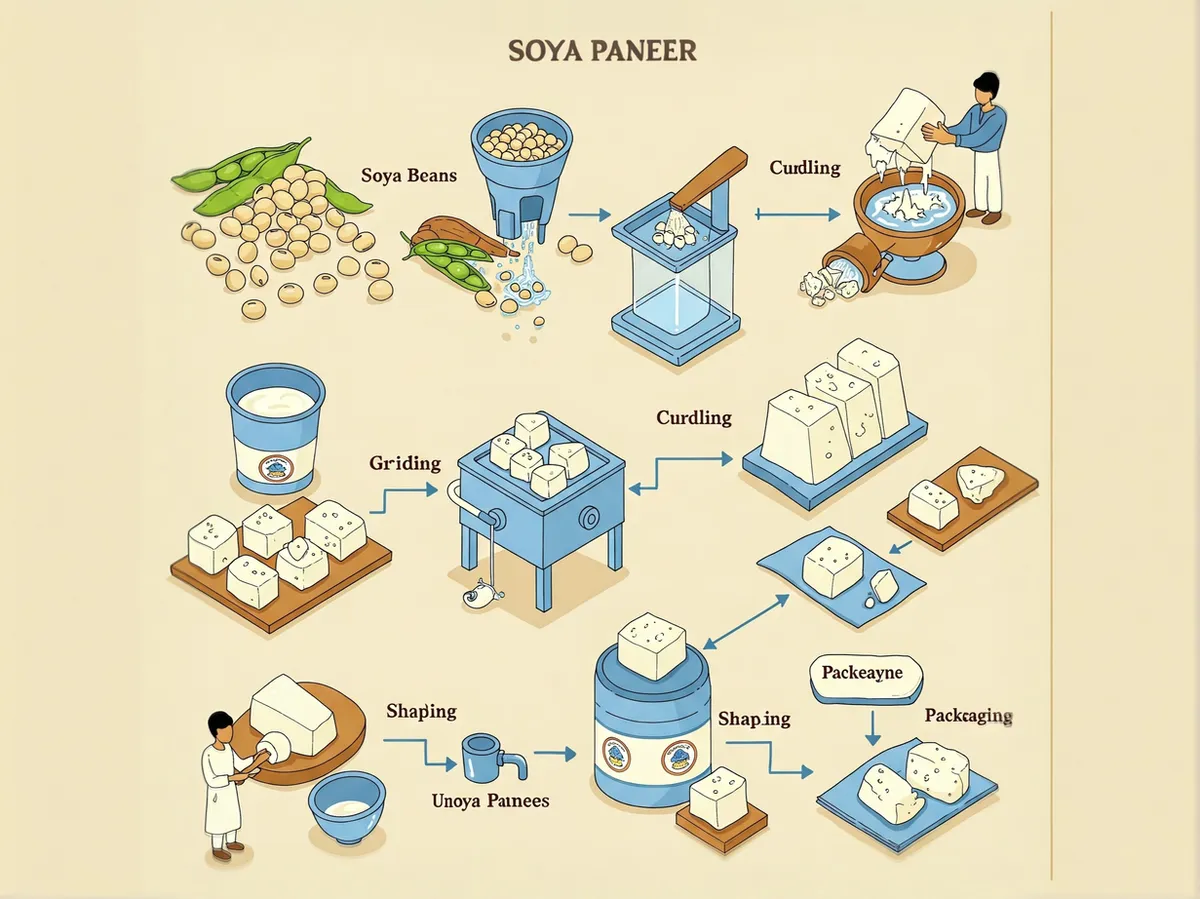
- Soaking: Dried soybeans are soaked in water for several hours or overnight to soften them.
- Grinding: The soaked soybeans are then ground with water to create a soy milk mixture.
- Boiling: The mixture is boiled to eliminate raw bean flavor and improve digestibility.
- Coagulation: A coagulant, such as magnesium chloride or calcium sulfate, is added to the hot soy milk, causing it to curdle.
- Pressing: The curds are collected and pressed into molds to form blocks of tofu.
- Cooling: The pressed tofu is cooled and can be stored or packaged for sale.
#Nutritional Values of Soya Paneer
Soya paneer is packed with essential nutrients. Here’s a typical breakdown per 100 grams of firm soya paneer:
| Nutrient | Amount |
|---|---|
| Calories | 144 kcal |
| Protein | 15g |
| Fat | 8g |
| Carbohydrates | 3g |
| Fiber | 1g |
| Calcium | 350mg |
| Iron | 5mg |
These values can vary slightly depending on the brand and preparation method.
#Health Benefits of Soya Paneer
- High in Protein: Soya paneer is an excellent source of plant-based protein, making it ideal for vegetarians and vegans.
- Calcium: Soya paneer made with calcium sulphate is a good source of calcium, which supports bone health.
- Heart Health: Low in saturated fat, soya paneer can help manage cholesterol levels.
- Antioxidants: Contains isoflavones, which may reduce the risk of certain cancers and improve heart health.
- Weight Management: Low in calories and high in protein, it can help with weight loss and management.
#Fresh vs Shelf-Stable Soya Paneer
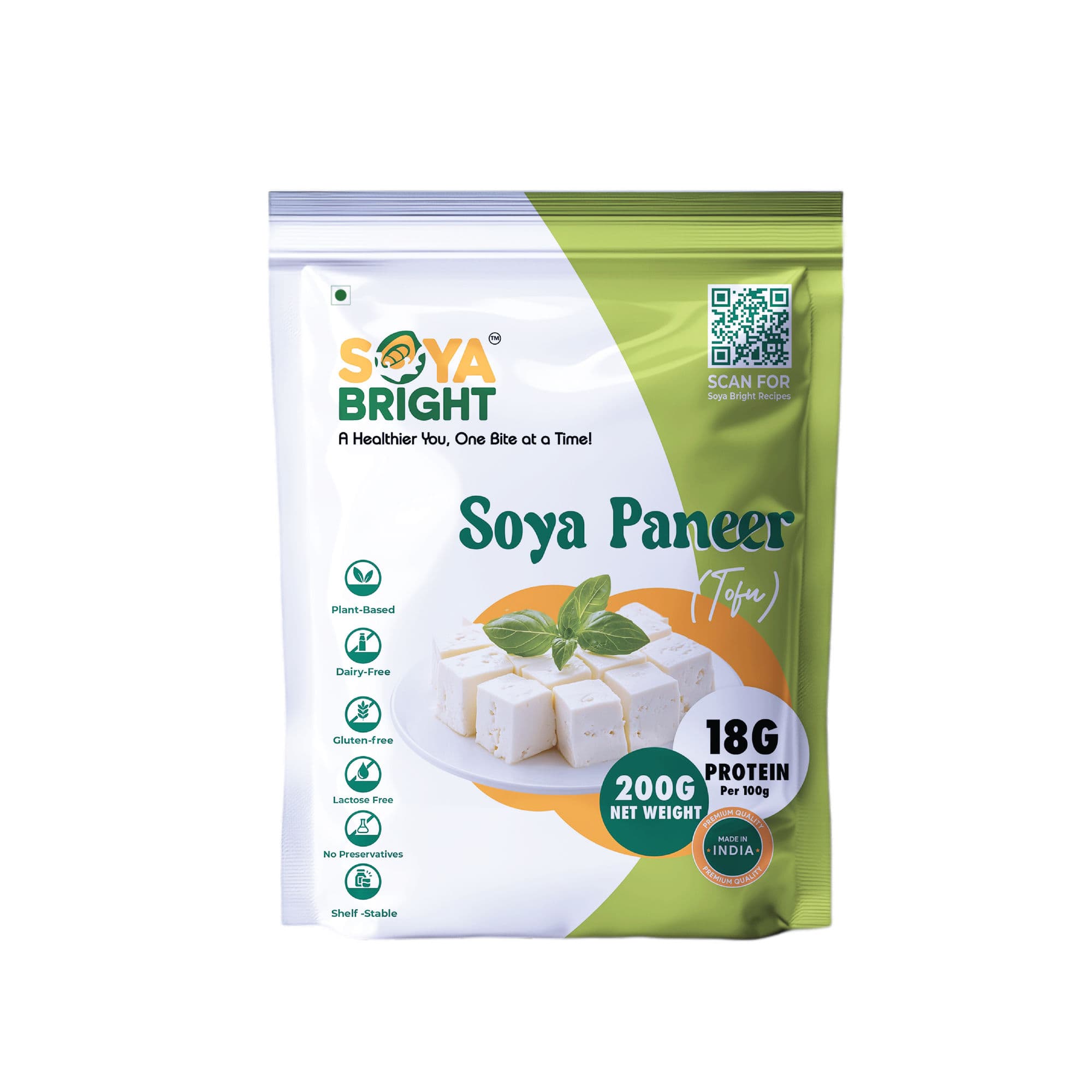
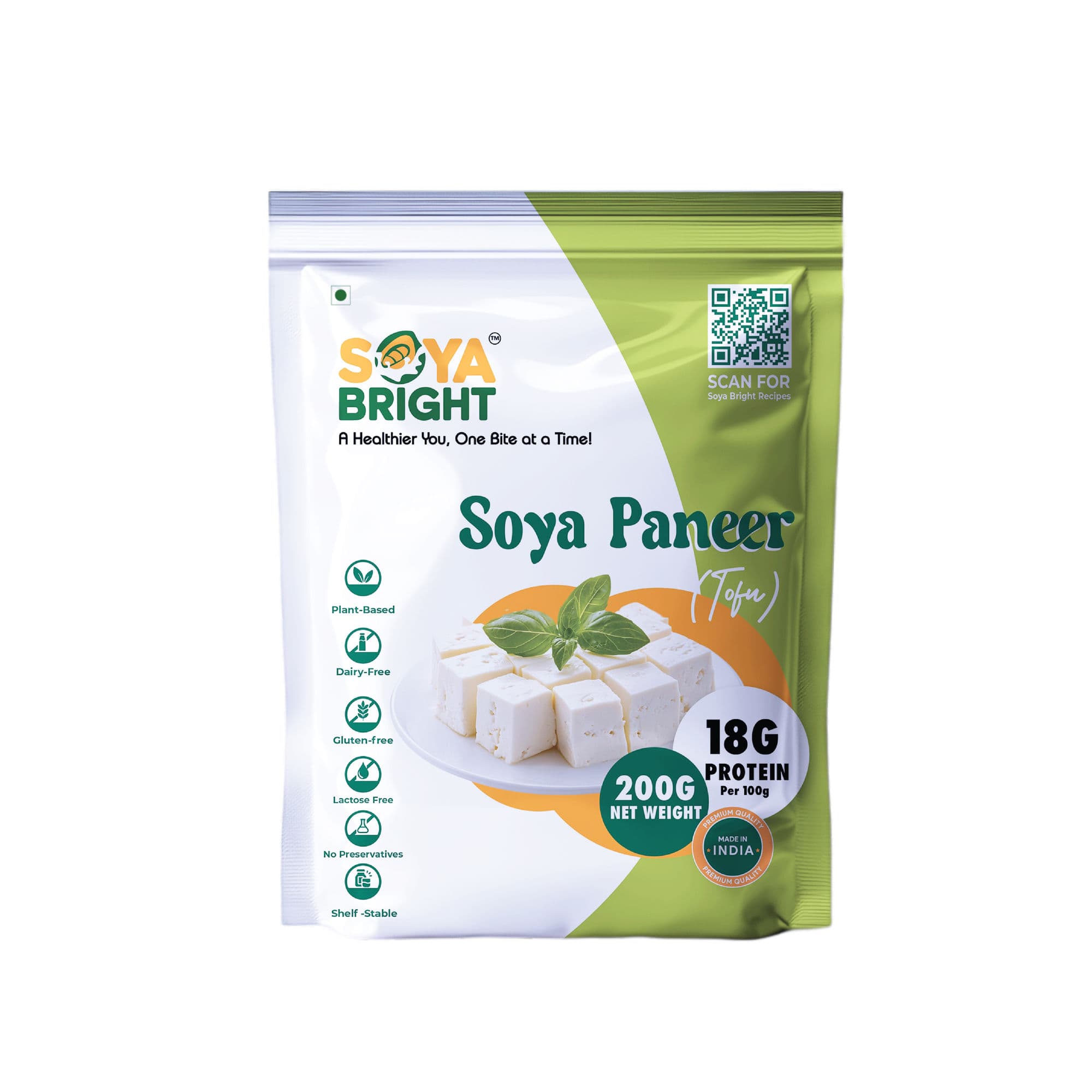
Traditional soya paneer is a fresh, chilled food that must be refrigerated and used within days. Modern processing and packaging have made shelf-stable soya paneer possible: it keeps unopened without refrigeration. Soya Bright Soya Paneer, for example, lasts up to 11 months unopened in a cool, dry place below 25°C, with no preservatives — and delivers 18 g of protein per 100 g. Once opened, refrigerate it like any other tofu.
#Why Soya Paneer is Growing in Popularity
As more people adopt plant-based diets for health, environmental, and ethical reasons, soya paneer has seen a surge in popularity. Here are some reasons for its increasing demand:
- Versatility: It can be used in a variety of dishes, from stir-fries to desserts.
- Dietary Preference: Suitable for those with lactose intolerance or dairy allergies.
- Sustainability: Producing soybeans requires less water and land compared to dairy farming, making it a more sustainable choice.
- Global Cuisine: Its incorporation into various cuisines has made it accessible and appealing to a broader audience.
#Conclusion
Soya paneer (tofu) is not just a nutritious alternative to dairy paneer; it's a versatile food that has stood the test of time. With its rich history, impressive nutritional profile, and numerous health benefits, it’s no wonder that soya paneer is becoming a staple in households around the world. Whether you’re a vegetarian, vegan, or simply looking to incorporate more plant-based foods into your diet, soya paneer is a delicious and healthy option to consider.

Written by
Soya Bright Team
The team behind Soya Bright at GenHybrid Solutions Pvt Ltd, makers of soya paneer, soy milk and okara in Sangamner, Maharashtra. We check our articles against published research and update them when the evidence changes.
Soya Bright
Put this into practice with Soya Bright
Shelf-stable Soya Bright soya paneer (tofu) and soy milk — 18g protein per 100g of tofu, dairy-free, no preservatives, and no fridge needed until opened. Tofu lasts 11 months unopened below 25°C.